
South Sudan to Host Historic 20th Regional Nile Day Celebration, Marking Benefits from Cooperation
Juba, South Sudan — Preparations are in full swing in South Sudan’s capital, Juba, as the country plans to host 600 delegates for the 20th Regional Nile Day Commemoration on 22 February 2026. The milestone event will bring together water-affairs ministers, technical experts, development partners, community representatives including youth and women, from across the Nile Basin to celebrate two decades of Nile Day and reaffirm commitment to Nile cooperation.
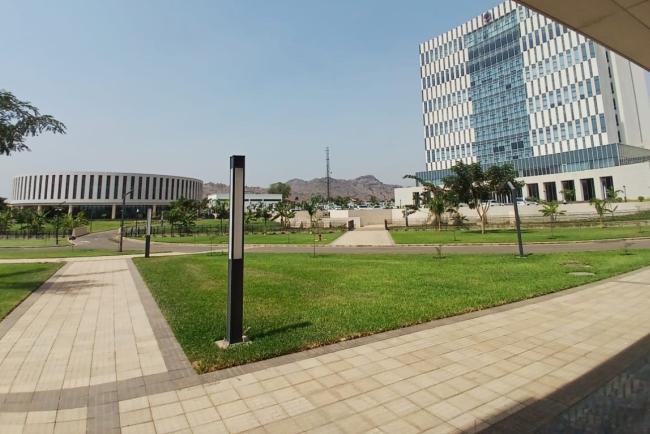
South Sudan has established a National Organizing Committee and selected the landmark Bank of South Sudan complex as the main venue for the celebration, with some activities planned inside the modern basketball court.
“We are ready and excited to host this historic regional event,” said Hon. James Mawich Makuach, South Sudan’s Minister for Water Resources and Irrigation. “South Sudan is the mother of the White Nile and 97 percent of our country lies within the Nile Basin.”
Nile Day: Celebrating Cooperation on the World’s Longest River
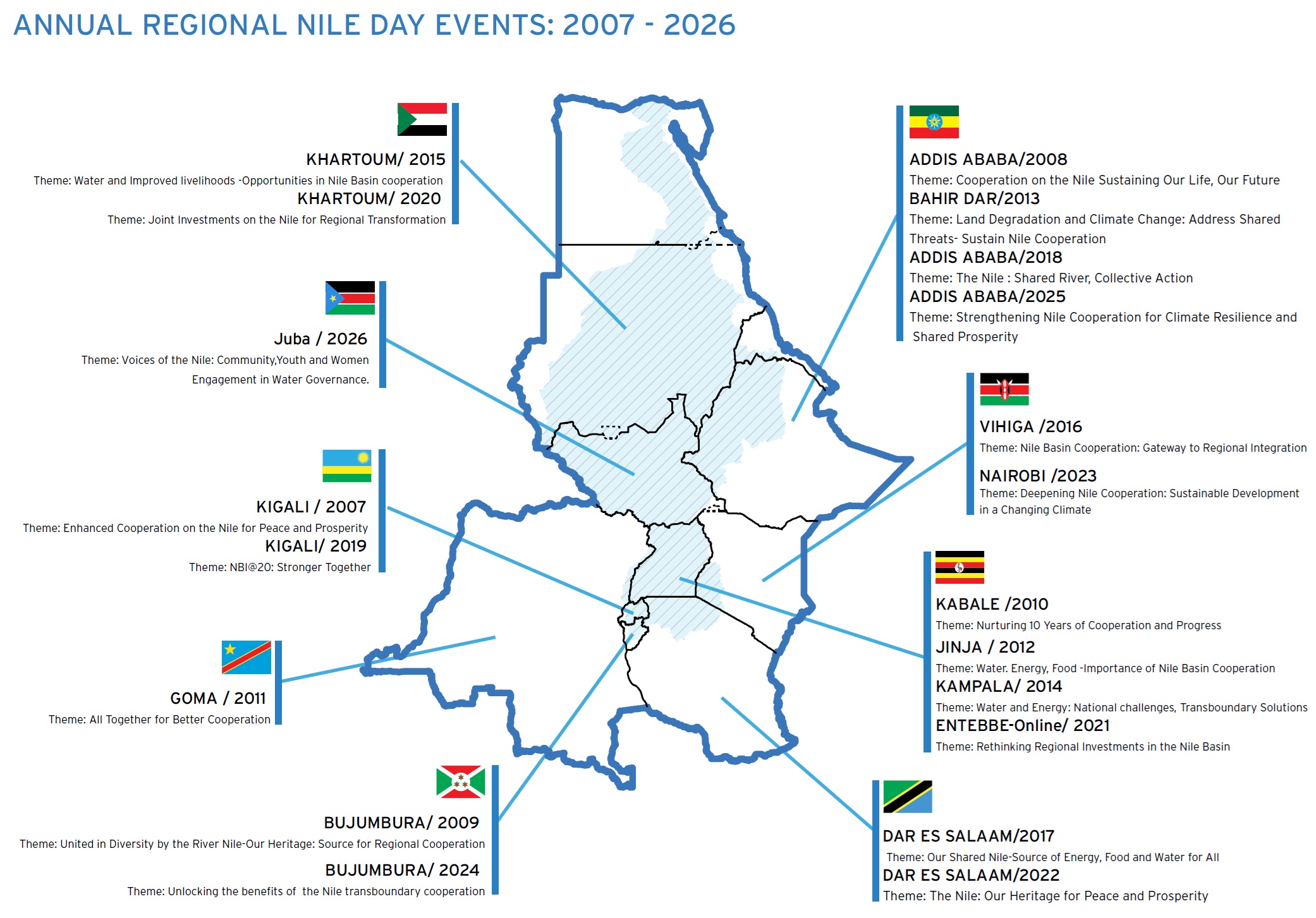
NBI commemorates Nile Day annually on 22 February to mark the date the Nile Council of Ministers (Nile-COM) founded the Nile Basin Initiative (NBI) in 1999 in Dar es Salaam, Tanzania. The first Nile Day was celebrated in 2007 in Kigali, Rwanda, presided over by President Paul Kagame. NBI encourages its Member States to hold celebrations at national level, as well.
For over two decades, NBI Member States and partners have used Nile Day to:
- Highlight the importance of cooperation in managing and developing the Nile as a shared resource in a sustainable manner.
- Share and exchange experiences on critical Nile Basin issues such as climate extremes, environmental degradation, and pollution; and
- Reaffirm political commitment to Nile cooperation while celebrating the Basin’s rich cultural diversity and shared heritage.
Theme for Nile Day 2026
The theme for Nile Day 2026 is: “Voices of the Nile: Community, Youth and Women Engagement in Water Governance.”
Selected by the Nile-COM, the theme underscores the importance of inclusive water governance and amplifying the voices of communities, women, youth, civil society, and other non-state actors in decision-making on the Nile’s resources, which include rivers, lakes, wetlands, peatlands, aquifers, and forests. By promoting meaningful participation and equitable representation, the theme aims to ensure that the benefits of Nile investments are fairly shared, fostering resilient, just, and sustainable development for all who depend on the Great Nile River.
Opportunities and Challenges Bind 11 Countries Together
The Nile Basin has opportunities, as well as challenges that bind the riparian countries together. While the region possesses vast potential for generating and trading in electricity and a continental market of more than one billion people, for example, it is also faced with pockets of political unrest, climate extremes, environmental degradation, and waste pollution, all of which compromise the availability of water resources.
NBI comprises 10 countries — Burundi, the Democratic Republic of Congo, Egypt, Ethiopia, Kenya, Rwanda, South Sudan, Sudan, Tanzania and Uganda — each at a different stage of socio-economic development. As populations grow, rising demands for water, food and electricity intensify national pressures, complicating efforts toward Nile cooperation while at the same time underscoring its inevitability.
NBI, a Pillar of Endurance, Building Trust
NBI has remained a pillar of endurance, resilience, and innovation. It is the only impartial, basin-wide platform that fosters dialogue, trust, and cooperation among all Nile riparian states. Backed by strong governance and dedicated development and strategic partners, NBI has built unmatched capacity to convene countries on matters concerning the Nile. What was once unheard of is now routine: regular, inclusive, and constructive meetings that bring all 10 riparian states to the same table.
Some of NBI’s Breakthroughs in Recent Years:
i. Clean Energy and Regional Integration: The 80-megawatt Regional Rusumo Falls Hydroelectric Project is fully operational, supplying Burundi, Rwanda and Tanzania, stabilizing grids and benefitting more than one million people while cutting 250,000 tonnes of carbon dioxide annually.
ii. Cross-Border Power Trade: NBI is coordinating on-going implementation of the US$262 million Olwiyo–Juba interconnection project, enabling Uganda to share benefits of hydropower development from the Karuma Dam to South Sudan via a 300-km line, advancing NBI’s vision of shared regional benefits.
iii. Real-Time Water Monitoring: 43 regional real-time high-tech hydrological stations and national/regional data centres upgraded, delivering reliable real-time data and information for early warning and climate resilience.
iv. Flood and Drought Preparedness: NBI produces the Nile Basin Seasonal Hydrological Outlook quarterly and issues flood and drought alerts online through web-based early warning systems and basin-wide hotspot mapping.
v. Regional Water Quality Monitoring: Leveraging the hydrological monitoring system, NBI is installing online sensors at 39 locations across the 43 hydrological stations, upgrading laboratories, training lab technicians, and implementing a basin-wide plastic-waste intervention.
vi. Knowledge Leadership: NBI hosts the Basin’s largest shared knowledge repository and is advancing plans to establish a Centre of Excellence at the NBI Secretariat in Entebbe, Uganda.
Why South Sudan Is a Fitting Host for Nile Day 2026
Nile Day 2026 will mark South Sudan’s first time hosting the regional commemoration since joining the Nile Basin Initiative on 5 July 2012.
The country’s role as host is particularly significant given its strategic location at the heart of the White Nile and its stewardship of the Sudd, one of the world’s largest and most ecologically important wetlands. South Sudan’s position in the basin makes it a natural bridge between upstream and downstream countries, symbolizing the shared responsibility and mutual benefits of Nile cooperation.
With communities that rely heavily on the Nile for livelihoods, transport, food security, and cultural identity, South Sudan embodies the vital link between transboundary water cooperation and sustainable development.
The country’s rich cultural diversity provides a powerful setting for celebrating the shared heritage, unity, and collective future of the Nile Basin.
Regional Meetings and Community Activities to Mark Nile Day 2026
The Nile Day Programme will feature a two-kilometer solidarity march, tree planting, and an official ceremony at the Bank of South Sudan conference hall on Sunday 22 February.
In the preceding days, South Sudan will host a series of high-level regional meetings, including:
- Extraordinary Meetings of the Nile-COM/Nile Equatorial Lakes Council of Ministers (NELCOM) – 20 February 2026;
- A High-Level Policy Dialogue – 21 February 2026; and
- Meetings of the Nile Technical Advisory Committee.
These meetings will provide a platform for dialogue on shared challenges and opportunities in the sustainable management of the Nile.
During the Extraordinary meeting, South Sudan is expected to take over stewardship of the NELCOM, which is currently chaired by Rwanda.
- On 10,12 ,16 February, NBI will conduct a series of webinars and a “young professionals” story hackathon. NBI has designed these events to expand knowledge sharing while amplifying inclusive voices and demonstrating youth-driven impact for Nile cooperation.
See more below and follow us for updates X: @nbiweb and LinkedIn: Nile Basin Secretariat