
Nile Basin Development Forum 8 launched to drive practical solutions for the Nile Basin
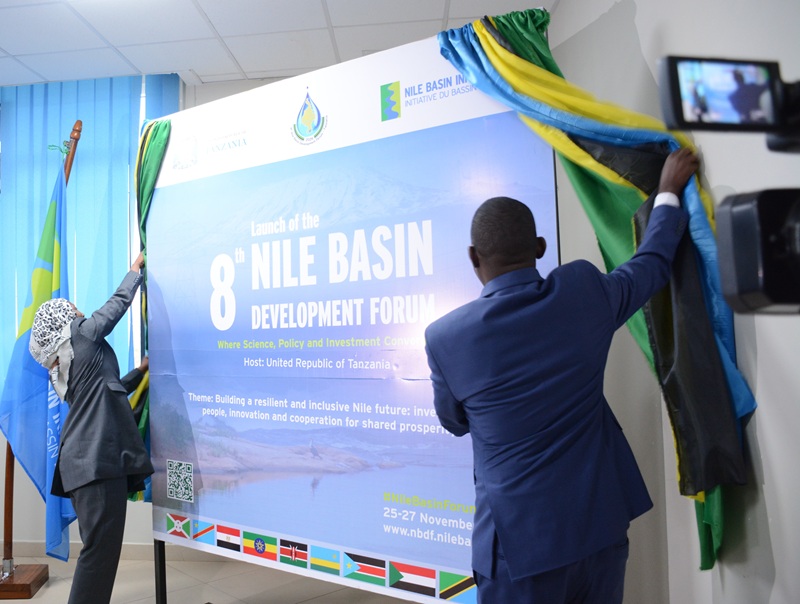
Dodoma, Tanzania, 6 August 2026 — The Nile Basin Initiative (NBI) has launched the eighth Nile Basin Development Forum (NBDF8), opening a regional process that will bring together policymakers, scientists, development partners, researchers, civil society, academia, the private sector, women and youth to shape practical solutions for the future of the Nile Basin.
Launched in Dodoma, Tanzania, NBDF8 will culminate in three days of panel discussions, technical sessions, ministerial roundtables, exhibitions, youth engagements and the fifth Nile Basin Media Awards from 25–27 November 2026.
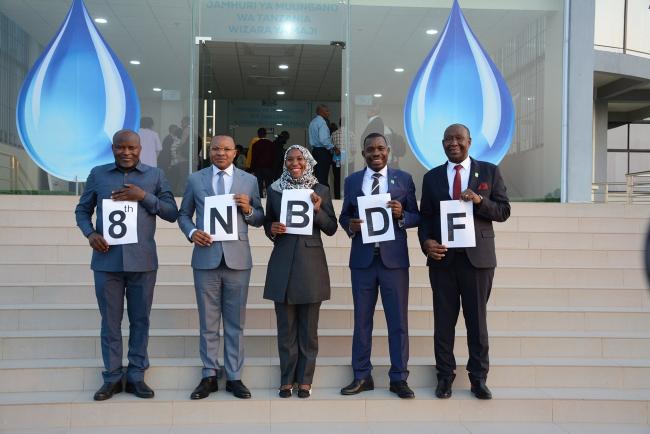
The launch was officiated by Tanzania’s Permanent Secretary in the Ministry of Water, Eng. Mwajuma Waziri, on behalf of the Minister for Water, Hon. Jumaa Aweso.
On the photo above, Ms. Mwajuma Waziri, Dr-Eng. Nestor Niyonzima (second right) and other officials during the launch.
Tanzania renews its commitment to Nile cooperation
For Tanzania, hosting NBDF8 has particular significance. The country hosted the historic 1999 meeting at which the Nile Basin Initiative was established, making it the birthplace of NBI. It is also hosting the Nile Basin Development Forum for the first time.
“The waters of the Nile connect our countries, our economies, our ecosystems and our peoples,” Eng. Waziri said, recalling the founding vision of Nile cooperation and its continued relevance.
She reaffirmed Tanzania’s commitment to Nile cooperation, noting that the country’s recent settlement of its outstanding contributions to NBI reflected its belief that regional institutions depend on shared ownership and responsibility among Member States.
“Cooperation is sustained not only by a Vision, but also by commitment and action,” she said.
Speaking on behalf of the Nile Technical Advisory Committee (Nile TAC), its Chair, Augustin Ngenzirabona, thanked the Government of the United Republic of Tanzania for hosting NBDF8 and described the Nile Basin Development Forum as a platform for collective synergy, dialogue and practical solutions for the sustainable management of the Nile Basin.
Mr Ngenzirabona said the Nile TAC remains committed to supporting Nile Basin countries and NBI through evidence-based technical advice and regional collaboration as the Basin responds to climate change, population growth, competing water demands and ecosystem degradation.
A platform for a changing Nile Basin
The launch comes as the Nile Basin faces mounting pressures from climate change, population growth, competing demands for water, food and energy, and ecosystem degradation. The Basin is home to more than 300 million people, whose livelihoods, food security, energy access and resilience to climate-related shocks are closely connected to the availability and sustainable management of water resources.
These pressures are part of a wider African challenge. Across Africa, demand for food is projected to double by 2040, while energy needs may increase fourfold, placing further pressure on water resources that underpin food production, energy generation and economic development.
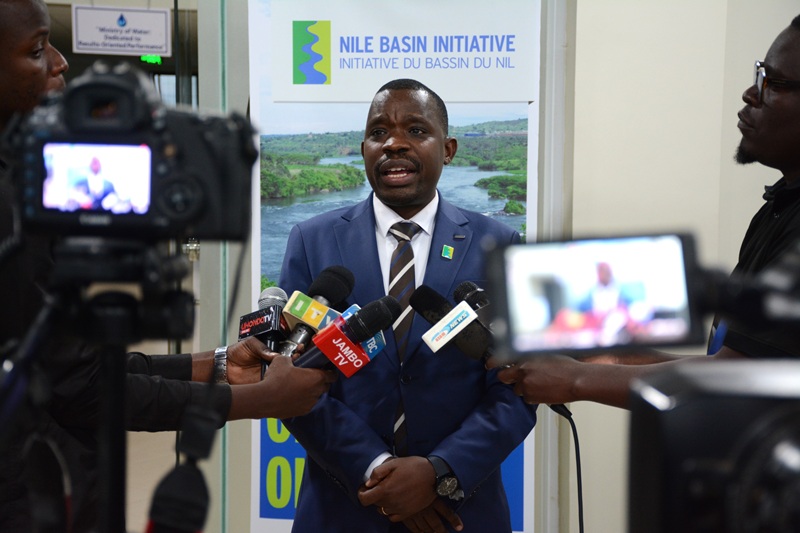
NBI Executive Director Dr.-Eng. Nestor Niyonzima said these realities reinforce the importance of cooperation among Nile Basin countries.
“Africa is a continent of shared waters. More than 80 per cent of its freshwater resources cross national boundaries,” he said. “This means cooperation is not optional. It is indispensable.”
Dr Niyonzima described the Nile Basin Development Forum as NBI’s premier science-policy platform, bringing together knowledge, experience and different perspectives to inform policy, investment and decision-making.
The previous Forum, NBDF7, held in Uganda in 2023, demonstrated the reach of this platform. In the four weeks preceding the Forum, NBI convened 25 thematic webinars involving 1,061 participants from 58 countries, followed by technical sessions, panel discussions and ministerial roundtables.
NBDF8 builds on that momentum under the theme “Building a resilient and inclusive Nile future: investing in people, innovation and cooperation for shared prosperity.”
The theme reflects the growing need to invest not only in infrastructure, but also in people, institutions, knowledge, technology and partnerships. It places particular emphasis on the contribution of women and youth, while recognising the potential of digital innovation, artificial intelligence, remote sensing and data systems to improve water resources management and climate resilience.
NBDF8 is designed to translate this dialogue into practical outcomes, including policy and technical recommendations, new investment opportunities, knowledge products and partnerships that can help advance cooperation and shared development across the Nile Basin.
Speaking on behalf of the UNDP Uganda Resident Representative and NBI development partners, Mr Kingsley Bekoe said that over two decades, the Nile Basin Development Forum had become an important platform for dialogue, knowledge exchange and partnership building.
He said the Nile Basin has the potential to become “a global model for climate resilience and cooperative water governance.”
Mr Bekoe also highlighted the importance of investing in women and youth, describing them as among the region’s greatest assets whose leadership and innovation will help shape its future. “We are particularly encouraged by the Forum’s focus on inclusive participation,” he said.
From dialogue to benefits for people
For NBI, the value of Nile cooperation is ultimately measured by its benefits to people.
“Because behind every discussion on water, there are people,” Dr Niyonzima said, highlighting farmers, families needing early flood warnings, engineers, investors and young people whose futures depend on secure water, affordable energy and a healthy environment.
“NBDF brings together science, policy, investment and lived experience so that the decisions we make about our shared river translate into better lives for the more than 300 million people who depend on it.”
The benefits of regional cooperation are already evident in several transformative projects across the Basin. The 80-megawatt Rusumo Falls Hydroelectric Project, coordinated by NBI and financed by the World Bank and African Development Bank, now supplies clean electricity to Burundi, Rwanda and Tanzania, benefiting more than one million people. The South Sudan–Uganda Power Interconnection Project is also advancing towards construction, with the potential to improve electricity access and strengthen regional power trade.
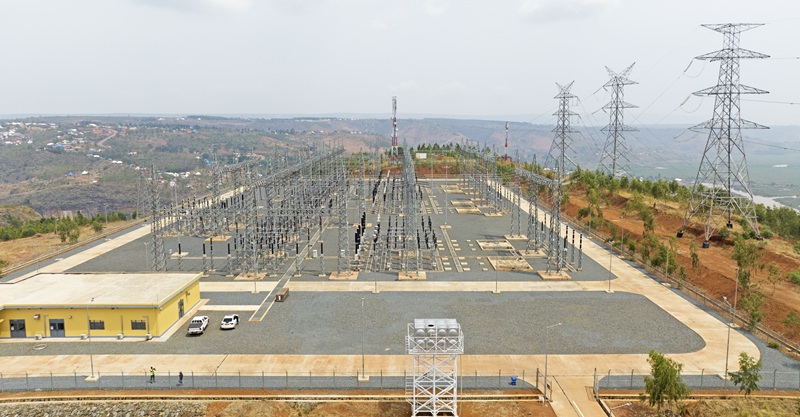
“These are not simply infrastructure projects,” Dr Niyonzima said. “They are investments in regional integration and economic development.”
The launch now opens opportunities for stakeholders across and beyond the Nile Basin to contribute to NBDF8 through abstract submissions, thematic webinars and technical discussions, youth engagements, exhibitions, outdoor activities and the Nile Basin Media Awards 2026.
The Forum is inviting scientists, policymakers, researchers, development practitioners, private-sector actors, civil society, women and youth, journalists and other stakeholders to participate and contribute ideas, evidence and solutions to the future of the Nile Basin.
Details on registration, submissions, participation opportunities and the NBDF8 Concept Note are available at nbdf.nilebasin.org
| Forum Dates | 25–27 November 2026 |
|---|---|
| Theme | Building a resilient and inclusive Nile future: investing in people, innovation and cooperation for shared prosperity. |
| Venue | Dar es Salaam, Tanzania |
| Registration website | nbdf.nilebasin.org |
| Abstract submission deadline | Announcing soon |
Video NBDF 7 https://www.youtube.com/watch?v=EJbL4Q6p7u4