

From Tanzania to Antalya: NBI Advances Cooperation on Wetlands for Climate Action
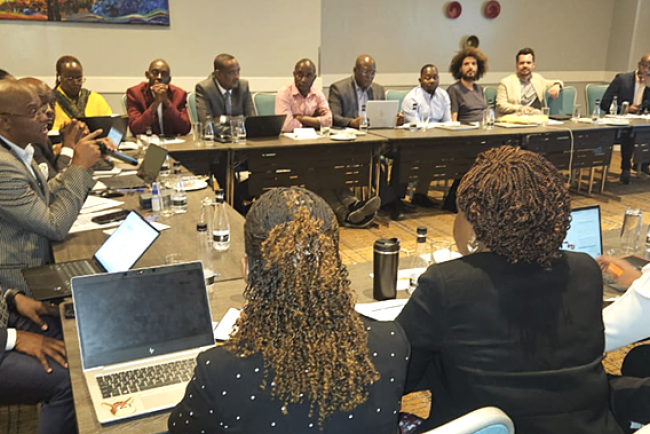
As COP31 gets underway in Antalya, Turkey, work to protect wetlands, while mobilising climate finance, is advancing in the Nile Basin. NBI has convened Burundi, Rwanda, Tanzania and Uganda to collaborate on shared ecosystems and carbon investments.
Over the last few days in Dar es Salaam, Tanzania, the Nile Basin Initiative (NBI) brought together the Governments of Burundi, Rwanda, Tanzania and Uganda, alongside regional institutions and development partners, to advance the PEAT-WISE climate investment concept for the Kagera Basin. Arranged through NBI’s investment arm, the Nile Equatorial Lakes Subsidiary Action Plan Coordination Unit (NELSAP-CU), the consultations also brought Tanzania and Uganda together to advance the designation of Tanzania’s Minziro Forest Reserve as a Ramsar Site.
NBI’s Executive Director Dr Eng. Nestor Niyonzima and NELSAP-CU Regional Coordinator Dr Isaac Alukwe participated in person, underscoring NBI’s role in bringing countries together around shared transboundary priorities. The meetings were financed by GIZ.
Turning Peatland Knowledge into Climate Investment
On 4–5 November, representatives of the four Kagera Basin countries — Burundi, Rwanda, Tanzania and Uganda — together with regional institutions and development partners, reviewed and validated the revised PEAT-WISE Concept Note, which seeks climate investment for the conservation, restoration and climate resilience of transboundary peatlands in the Kagera Basin, a critical sub-basin of the Nile Basin.
The concept builds on technical work undertaken by NBI through NELSAP-CU, with support from GIZ under DIAPOL-CE. The project generated knowledge on peatland extent, carbon stocks, ecosystem services, degradation drivers and sustainable management opportunities across the Kagera Basin, including the shared Sango Bay–Minziro landscape.
The consultations responded to feedback from the Green Climate Fund (GCF), including the need for stronger country ownership, broader stakeholder engagement and further refinement before resubmission. The four countries reviewed and validated responses to the GCF recommendations, strengthening the proposed implementation arrangements and country ownership. The agreed responses will now be submitted to the GCF to support further engagement and the next stages of project development.
Importance of Peatlands
Peatlands are a type of wetland with an important role to play in climate action. While they occupy only about three percent of the earth’s surface, they store roughly twice as much carbon as the world’s forests above ground. In addition, peatlands regulate water flows, reduce flood risks, support biodiversity and sustain livelihoods.
Yet peatlands face serious threats from drainage for agriculture, peat extraction and infrastructure development. In Uganda and Rwanda, these pressures are generating greenhouse gas emissions and causing the loss of important ecosystem functions.
Protecting and restoring these carbon-rich ecosystems can therefore contribute to climate mitigation and adaptation, biodiversity conservation, water security and sustainable livelihoods at the same time.
Advancing Minziro towards Ramsar recognition
In parallel with the regional peatland investment agenda, Tanzania is advancing the designation of Minziro Forest Reserve as a Ramsar Site. The 6 November consultations reviewed progress and the remaining technical and institutional requirements, and agreed on a roadmap and responsibilities for finalising the designation process.
The process began in 2023, coordinated by NELSAP-CU. It forms part of broader efforts to strengthen the long-term conservation and sustainable management of the transboundary Sango Bay–Minziro wetland landscape, shared by Tanzania and Uganda.
Why Minziro matters
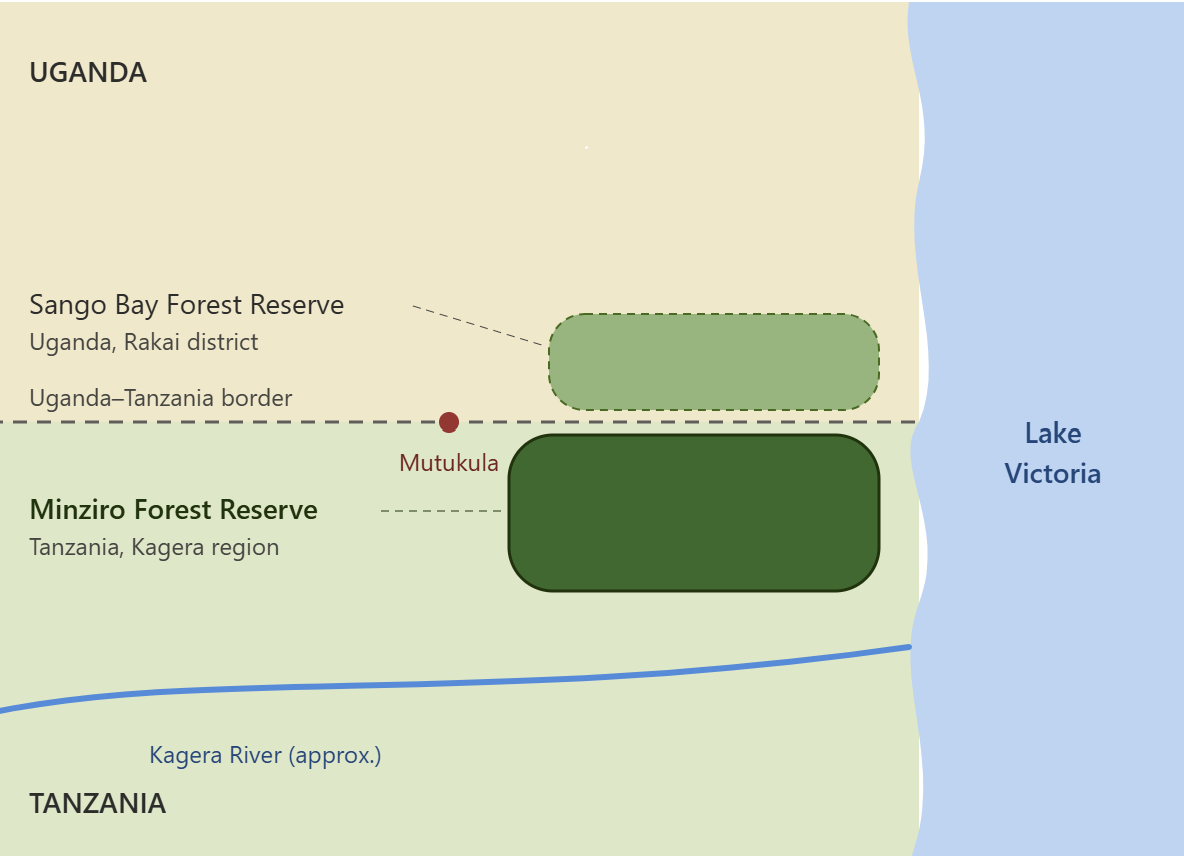
The Minziro Forest Reserve, in north-western Tanzania near the Ugandan border, forms part of this wider transboundary wetland landscape. Its proposed Ramsar recognition reflects its ecological significance, biodiversity richness and vulnerability to human pressures.
The Ramsar Convention recognises wetlands of international importance for their ecological value, including their importance for waterfowl, biodiversity and ecosystem services. Minziro supports migratory birds, acts as a carbon sink, sustains livelihoods through agriculture and eco-tourism, and its connection to Uganda’s Sango Bay gives it added transboundary conservation value.
“Minziro isn’t just a biodiversity hotspot; it’s a lifeline for nearby communities,” NBI Executive Director Dr Eng. Nestor Niyonzima said..
Agriculture, forest products, grazing and eco-tourism support local livelihoods, but communities have also witnessed major changes over the past three decades, with deforestation, encroachment and changing climatic conditions putting pressure on the landscape, its biodiversity and the people who depend on it.
NBI, with support from GIZ and Wetlands International, developed a transboundary Wetland Management Plan for the Sango Bay–Minziro landscape. The plan sought to identify the drivers of degradation, promote sustainable land and water use, engage communities in conservation and strengthen cooperation between Tanzania and Uganda.
International recognition under the Ramsar Convention could further strengthen conservation efforts, raise the profile of the landscape’s global environmental value and support opportunities for sustainable financing and continued cooperation between the two countries.
A longer NBI track record on wetlands
The Minziro process forms part of NBI’s broader work on transboundary wetlands across the Nile Basin. Its Wetland Management Strategy, updated in 2022, provided a framework for sustainable management through stronger knowledge and information, cooperative management, institutional capacity and resource mobilisation. NBI supported assessments and planning across important transboundary wetland landscapes, including Sango Bay–Minziro, Sio-Siteko and the Semliki Delta.
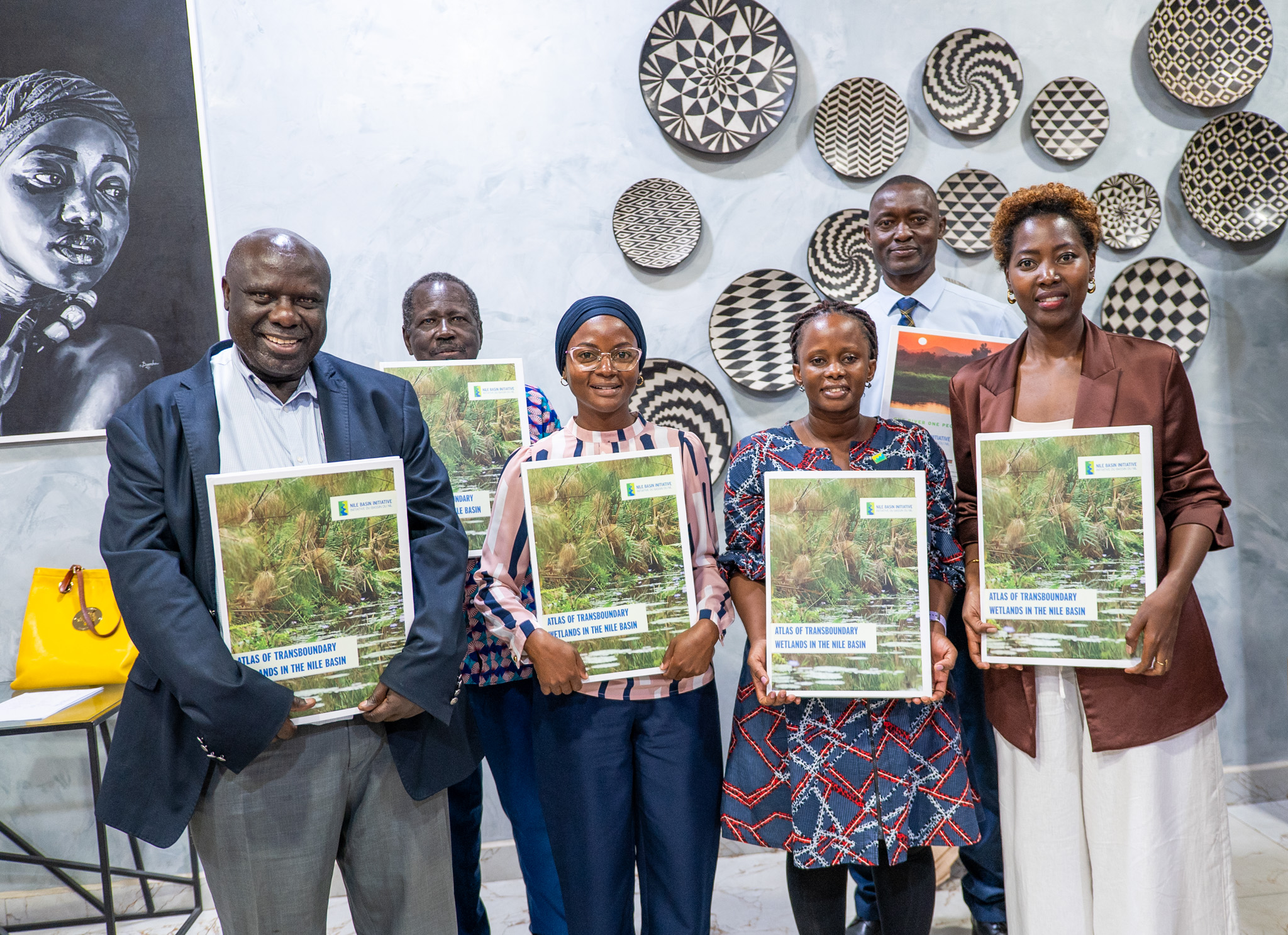
This work extended to the Sudd, where NBI worked with South Sudan on baseline and action planning, hydrological modelling, economic valuation and environmental flow assessments, and examined the Sudd’s peatlands in relation to climate change, policy and finance. NBI also developed an Atlas and Inventory of Wetlands of Transboundary Significance in the Nile Basin, strengthening the regional evidence base for countries and partners working to protect these ecosystems.
Building partnerships around shared ecosystems
NBI’s partnership with the Ramsar Centre for Eastern Africa (RAMCEA) further supports this work. Under their Memorandum of Understanding, the two institutions collaborate on transboundary wetland management, knowledge development, dialogue, capacity building, resource mobilisation and joint project preparation.
“Our work is about ensuring that the knowledge generated in the Nile Basin can support countries to make informed decisions, strengthen cooperation and mobilise resources for the protection of ecosystems that are critical to both people and climate resilience,” said Dr Eng. Nestor Niyonzima.
Together, the PEAT-WISE investment initiative and the advancement of Ramsar designation for Minziro show how Nile Basin countries are connecting climate action, biodiversity conservation, water security and sustainable development through regional cooperation and landscape-scale approaches.
As COP31 positions itself as an “Implementation COP”, with a focus on turning climate commitments into action, the emerging implementation phase of the Peatland Breakthrough places greater emphasis on translating peatland ambition into investment, restoration and protection on the ground.