
ZAMCOM Exchange Visit: What They Saw and Took Away from the Nile Basins
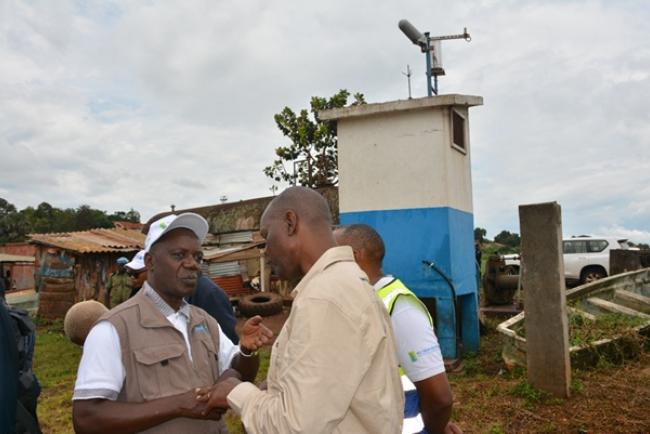
A high-level exchange visit to Uganda by a delegation from the Zambezi Watercourse Commission, hosted by the Nile Basin Initiative from 9 to 13 March, highlighted how transboundary water cooperation in the Nile Basin is delivering tangible benefits to member states.
The delegation comprised officials from the ZAMCOM Secretariat and representatives of Angola, Botswana, Malawi, Mozambique, Namibia, Tanzania, Zambia and Zimbabwe serving on the ZAMCOM Technical Committee, alongside representatives from the Zambezi River Authority and Hidroeléctrica de Cahora Bassa. The mission combined strategic dialogue with field-based learning, offering a comprehensive view of how regional water cooperation translates into practical systems, investments and livelihoods.
Welcoming the delegation, NBI Executive Director Nestor Niyonzima underscored the importance of peer learning in advancing transboundary water governance across Africa.
“Your visit reflects a shared commitment among African river basin organizations to learn from one another and translate that knowledge into stronger, more effective cooperation,” he said.
“Exchange visits are not just about sharing experiences – they are about accelerating practical solutions, strengthening institutions and ensuring that cooperation delivers measurable benefits for all member states.”
Hydrological Monitoring Systems Strengthening Nile Basin Water Management
From the outset, the exchange focused on one of NBI’s defining strengths: its basin-wide hydrological monitoring system. In Jinja, the delegation engaged with the Nile Basin Regional Hydrological Monitoring System, an advanced, real-time network that supports hydropower generation, flood preparedness and coordinated water management.
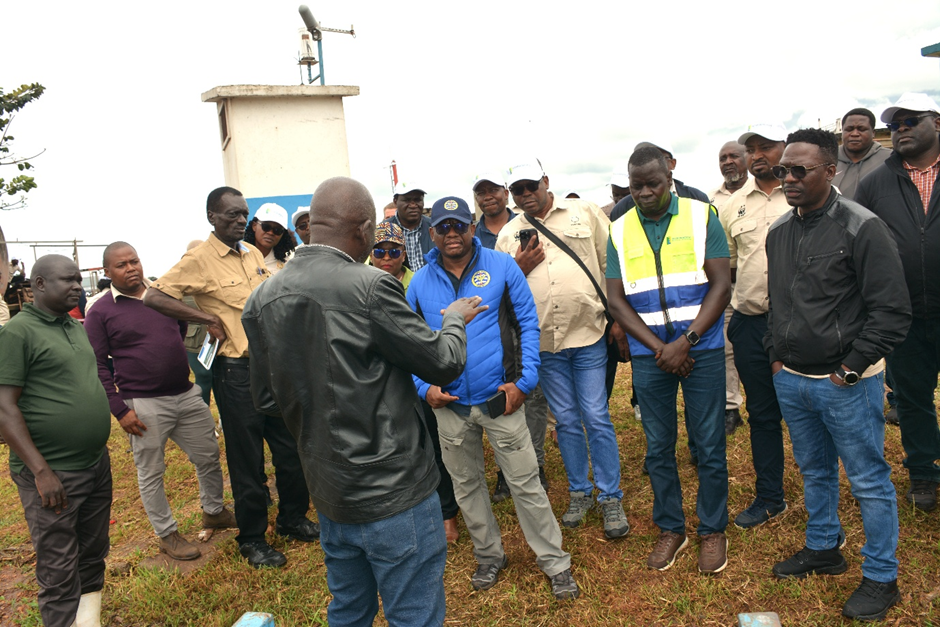
What they saw:
• A real-time, basin-wide hydrological monitoring system supporting coordinated decision-making
• Daily operational data informing Uganda’s Nalubaale and Kiira hydropower facilities and downstream flows into South Sudan
• Satellite-supported telemetry and standardized regional data systems
What it delivers:
• Improved flood forecasting and preparedness across borders
• Coordinated responses to climate variability and water-related risks
• Better planning for agriculture and water allocation
Climate Resilience and Nature-Based Solutions in the Nile Basin
For countries such as Mozambique, which have experienced severe flooding historically, NBI’s approach to data sharing and flood forecasting resonated strongly.
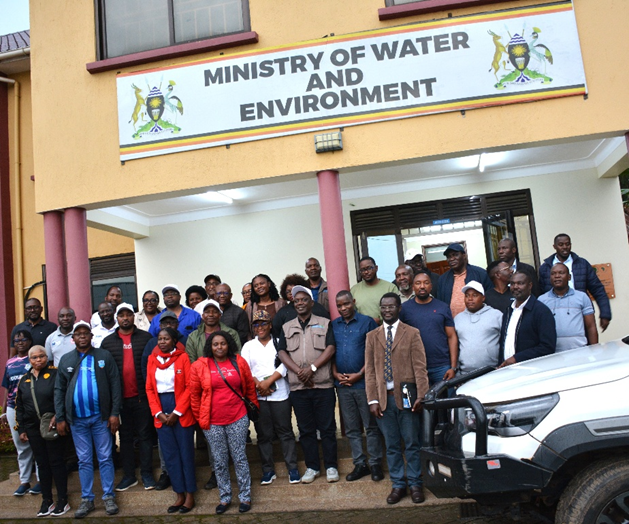
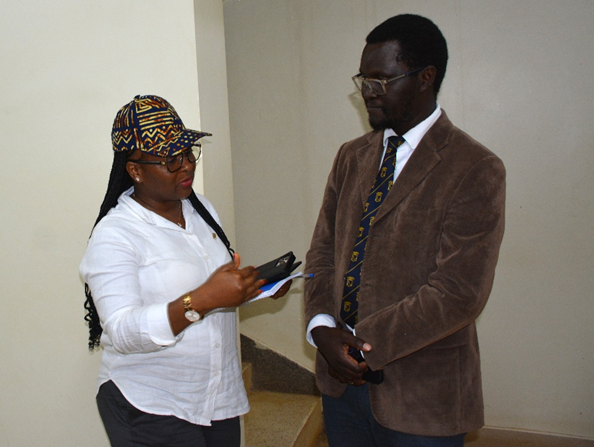
The visit then moved to Fort Portal, where the delegation explored how cooperation extends beyond data into landscapes and communities. Through the Lakes Edward and Albert Fisheries and Water Resources Management Project (LEAF II), NBI contributed to establishing infrastructure and systems that support climate-resilient water management and nature-based solutions under Uganda’s Ministry of Water and Environment.
What they saw:
• Catchment management and ecosystem restoration in the flood-prone River Nyamwamba basin
• Community-led interventions including soil and water conservation and riverbank stabilization
What it delivers:
• Reduced erosion and improved water retention
• Increased agricultural productivity, including for coffee farming
• Stronger links between environmental sustainability and economic development
Fisheries Management, Livelihoods and Inclusive Growth
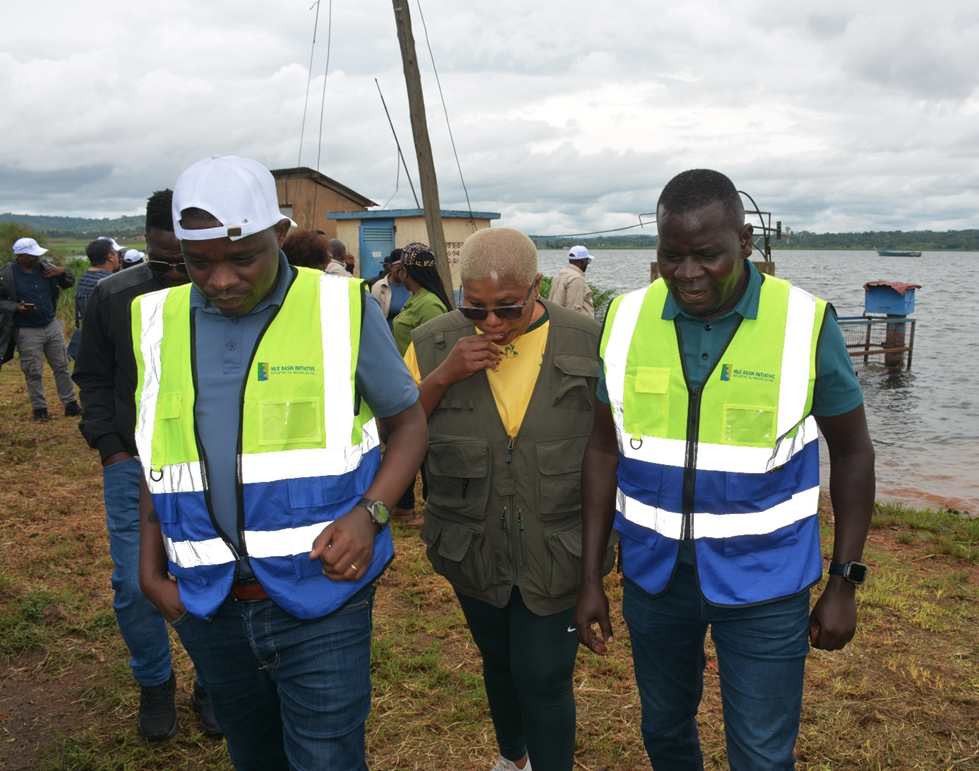
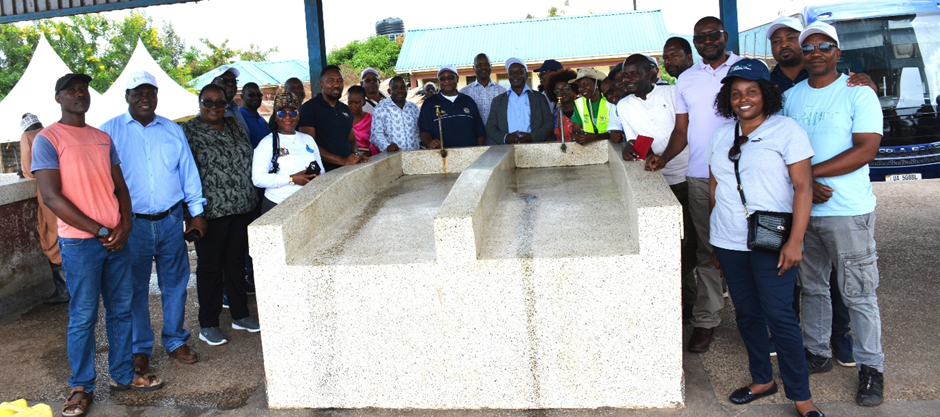
On Lake George, the delegation saw how these approaches translate into tangible community benefits. A modern landing site established under LEAF II has transformed fisheries management and livelihoods.
What they saw:
• Improved landing site infrastructure with better sanitation and handling
• Regulated fishing practices and strengthened local governance
What it delivers:
• Reduced post-harvest losses and improved fish quality
• Increased incomes, especially for women traders
• More sustainable and inclusive fisheries systems
ZAMCOM Executive Secretary Felix Ngamlagosi emphasized the importance of integrating fisheries into transboundary water cooperation:
“You have gone to the extent of developing projects focusing on fisheries. Fisheries should not be left behind because it sustains livelihoods and contributes to economies of our countries,” he said.
“Our thoughts have always been on what we can do in the Zambezi on fisheries.”
Lessons for River Basin Organizations in Africa
From the perspective of the Zambezi River Authority, the exchange provided practical lessons on strengthening basin-wide systems and moving from planning to implementation.
What they took away:
• The importance of cooperative data collection and shared analysis
• The value of joint planning and catchment-level management
• The role of innovative financing in delivering large-scale projects
Across all engagements, a consistent message emerged:
• Transboundary water cooperation is a practical pathway to sustainable development
• Climate resilience and economic growth can be achieved together
• Shared water resources can deliver mutual benefits when managed cooperatively
From hydrological monitoring systems to nature-based solutions and community-driven fisheries management, the Nile Basin experience demonstrates how cooperation translates into real impact.
For both the Nile Basin Initiative and ZAMCOM, the exchange reinforced a shared reality: African river basins face common challenges, including climate change and increasing water demand.
As one delegate observed, the experience offered clear evidence that water is a point of cooperation, bringing countries together around shared solutions to common problems across the continent.