About NRBIP
About NRBIP
The Nile River Basin Investment Programme (NRBIP) is a collaborative, regionally led platform for identifying, preparing, packaging and promoting high-priority cooperative investments across the Nile Basin.
It brings together the Nile Basin Initiative (NBI), Regional Economic Communities, river and lake basin organisations, specialised regional institutions and the Nile riparian countries around a shared pipeline of investments that can deliver benefits across national borders.
Programme overview
Nile River Basin Investment Programme (NRBIP)
A collaborative, regionally led platform for identifying, preparing, packaging and promoting high-priority cooperative investments across the Nile Basin.
It brings together the Nile Basin Initiative (NBI), Regional Economic Communities, river and lake basin organisations, specialised regional institutions and the Nile riparian countries around a shared pipeline of investments that can deliver benefits across national borders.
The programme provides a shared regional framework for identifying, prioritising and advancing cooperative investments with clear transboundary value.
- Role
- Regionally led investment platform
- Geographic scope
- Cooperative investments across the Nile Basin
- Core actors
- NBI, RECs, basin organisations, specialised institutions and riparian countries
Objectives
- Scale up investments that generate tangible socio-economic benefits and strengthen water, energy and food security, environmental sustainability and climate resilience.
- Deepen trust, confidence and cooperation among Nile riparian countries through shared investments and mutually beneficial development outcomes.
- Strengthen coordination and synergy among regional organisations, while improving the efficiency with which technical and financial resources are used.
- Promote integrated planning across water-related sectors and across national and sub-basin boundaries.
- Advance regional integration through cooperative water infrastructure, interconnected power systems, inland water transport and agricultural trade.
- Provide a transparent framework for identifying, prioritising, assessing and advancing regionally significant transboundary investments.
- Mobilize appropriate financing and technical support so that priority projects can reach financial close and implementation without unnecessary delay.
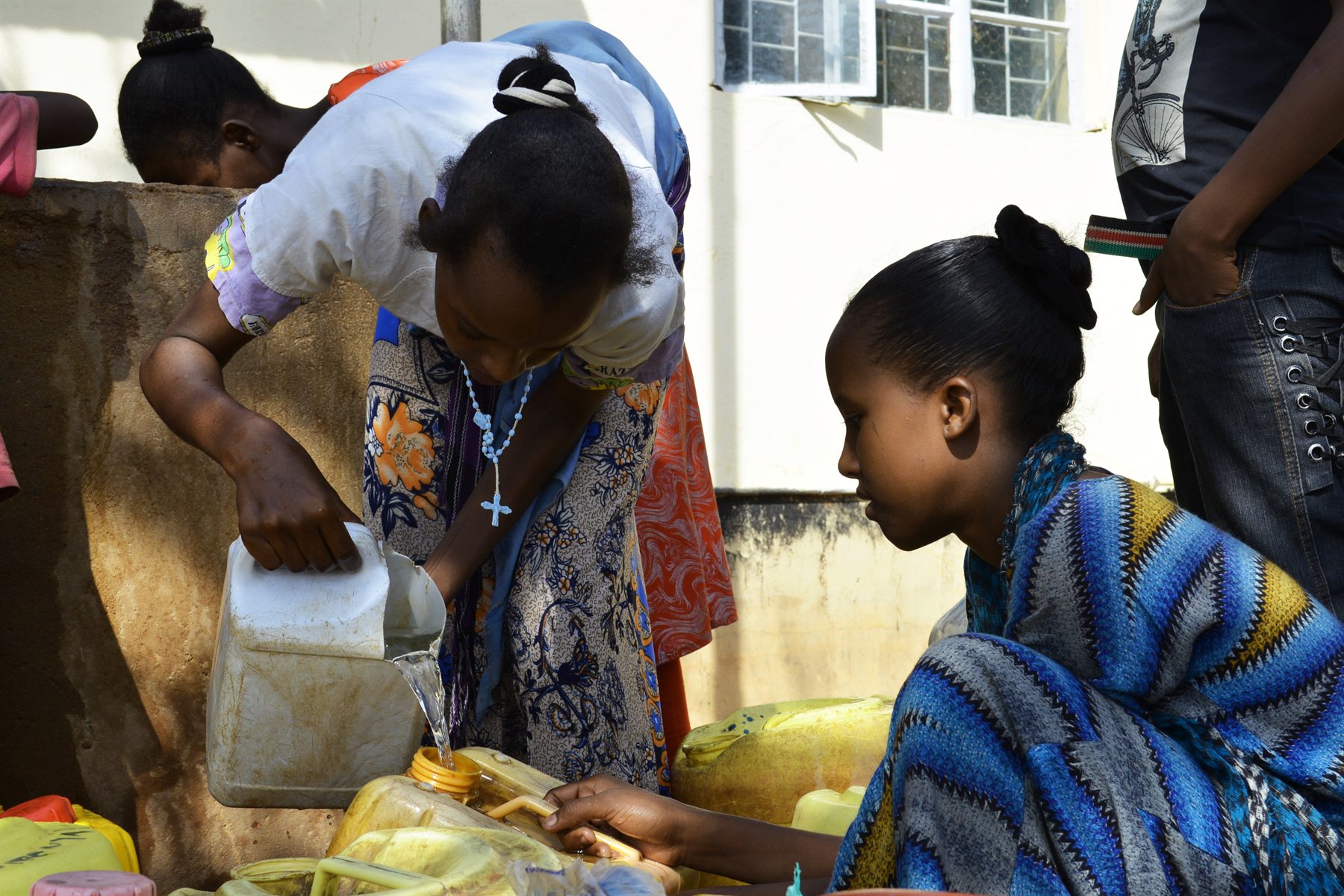
Overview
Overview
The NRBIP provides a shared regional framework for identifying, prioritising and promoting cooperative investments with clear transboundary value across the Nile Basin.
It links project selection, readiness support, coordination and resource mobilisation so that priority investments can move toward financing and implementation more efficiently.
Objectives
- Scale up investments that generate tangible socio-economic benefits and strengthen water, energy and food security, environmental sustainability and climate resilience.
- Deepen trust, confidence and cooperation among Nile riparian countries through shared investments and mutually beneficial development outcomes.
- Strengthen coordination and synergy among regional organisations, while improving the efficiency with which technical and financial resources are used.
- Promote integrated planning across water-related sectors and across national and sub-basin boundaries.
- Advance regional integration through cooperative water infrastructure, interconnected power systems, inland water transport and agricultural trade.
- Provide a transparent framework for identifying, prioritising, assessing and advancing regionally significant transboundary investments.
- Mobilize appropriate financing and technical support so that priority projects can reach financial close and implementation without unnecessary delay.
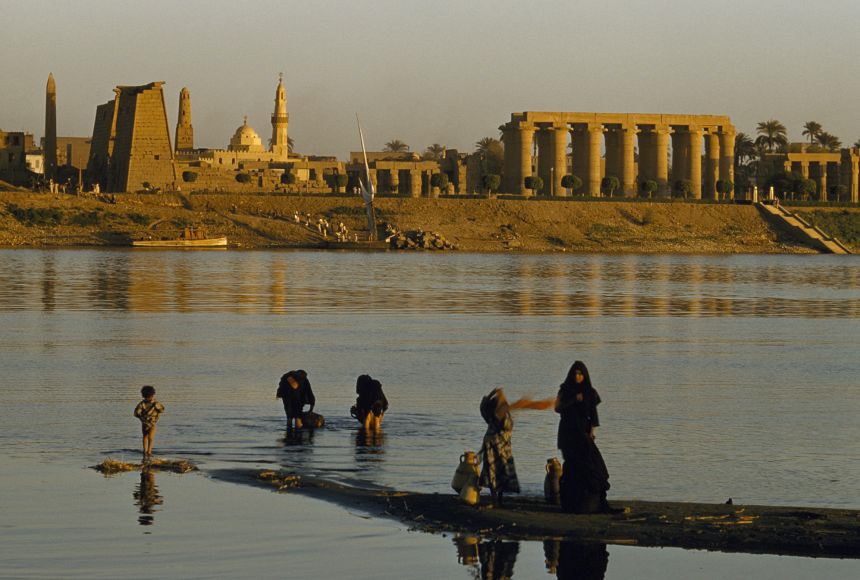
Thematic Areas
Thematic Areas
Water Security and Climate-Resilient Water Resources Management and Development
This thematic area promotes reliable access to water of adequate quantity and quality while strengthening climate-resilient water resources management and development.
Energy Security, Renewable Power Generation and Regional Power Trade
This area supports the development of affordable, reliable and low-carbon energy systems across the Nile region.
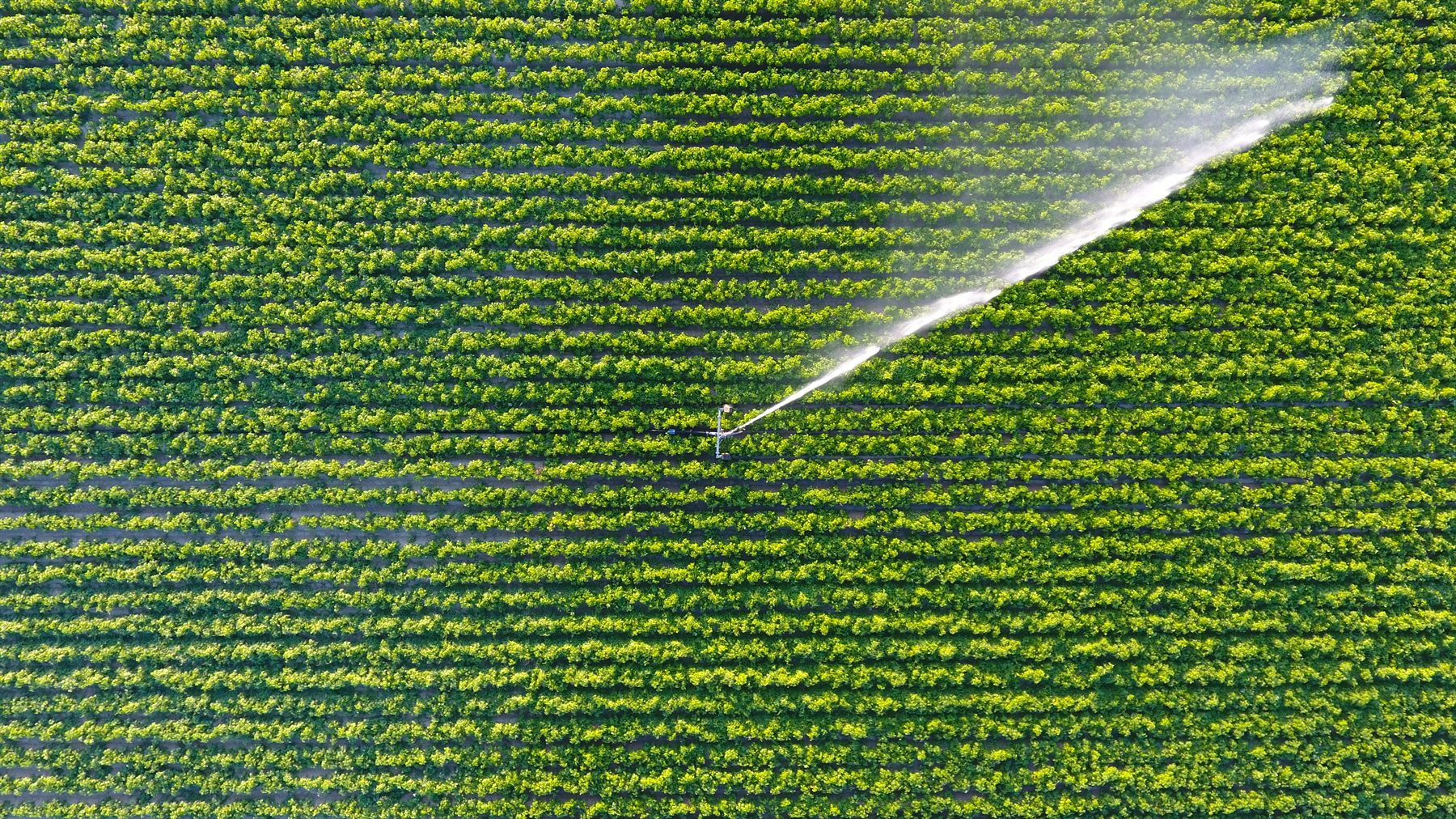
Food Security, Agricultural Water Management and Trade
This thematic area addresses food insecurity, low agricultural productivity and climate vulnerability through better management of water for agriculture.

Environmental Sustainability and Integrated Catchment Management
This area protects the ecological foundations on which water, food, energy and livelihoods depend.
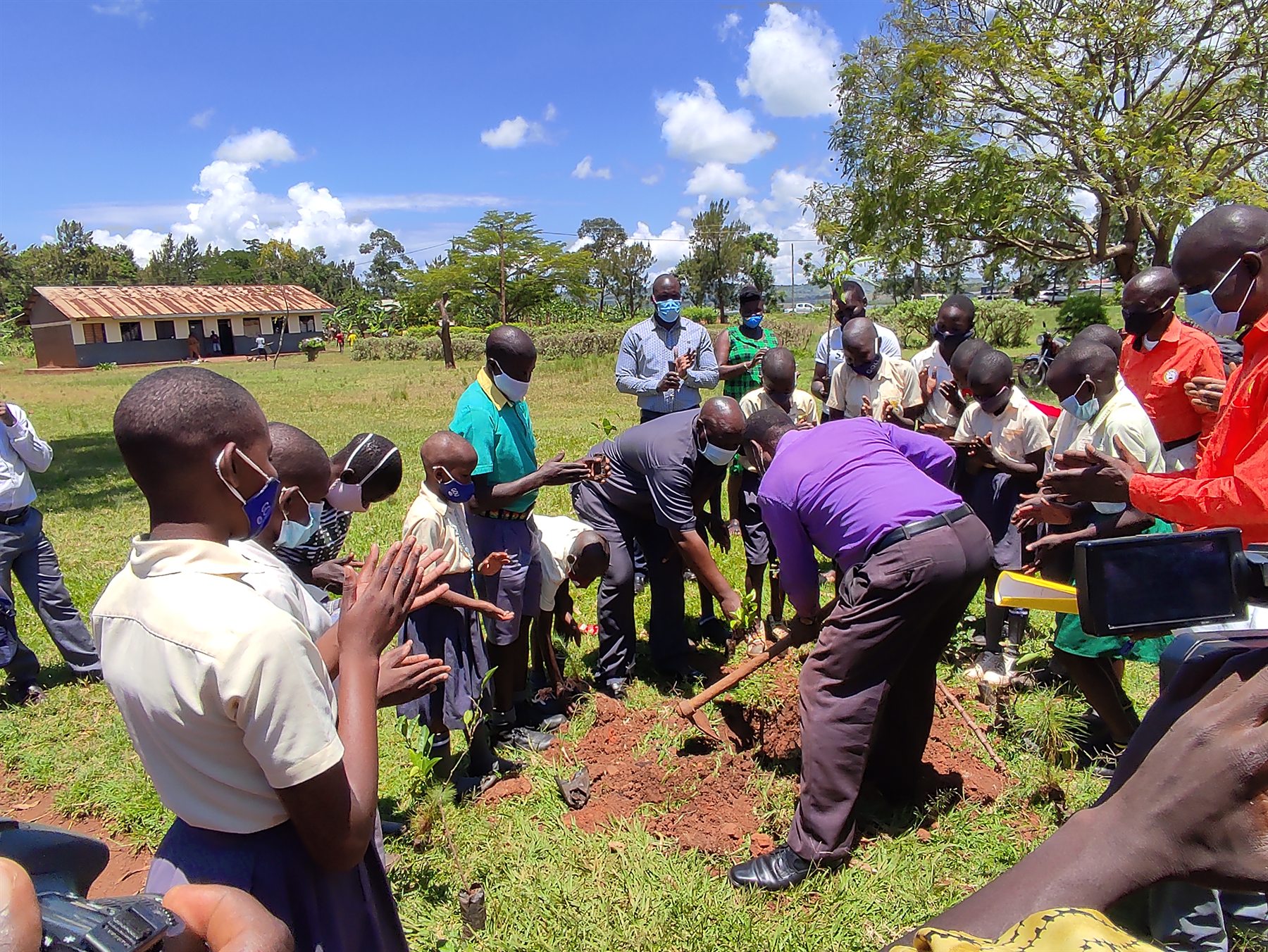
Climate Resilience and Water-Related Disaster Risk Management
This area strengthens the capacity of countries, institutions, infrastructure and communities to anticipate, absorb and recover from climate variability and water-related disasters.
Project Categories
Project Categories
Project category
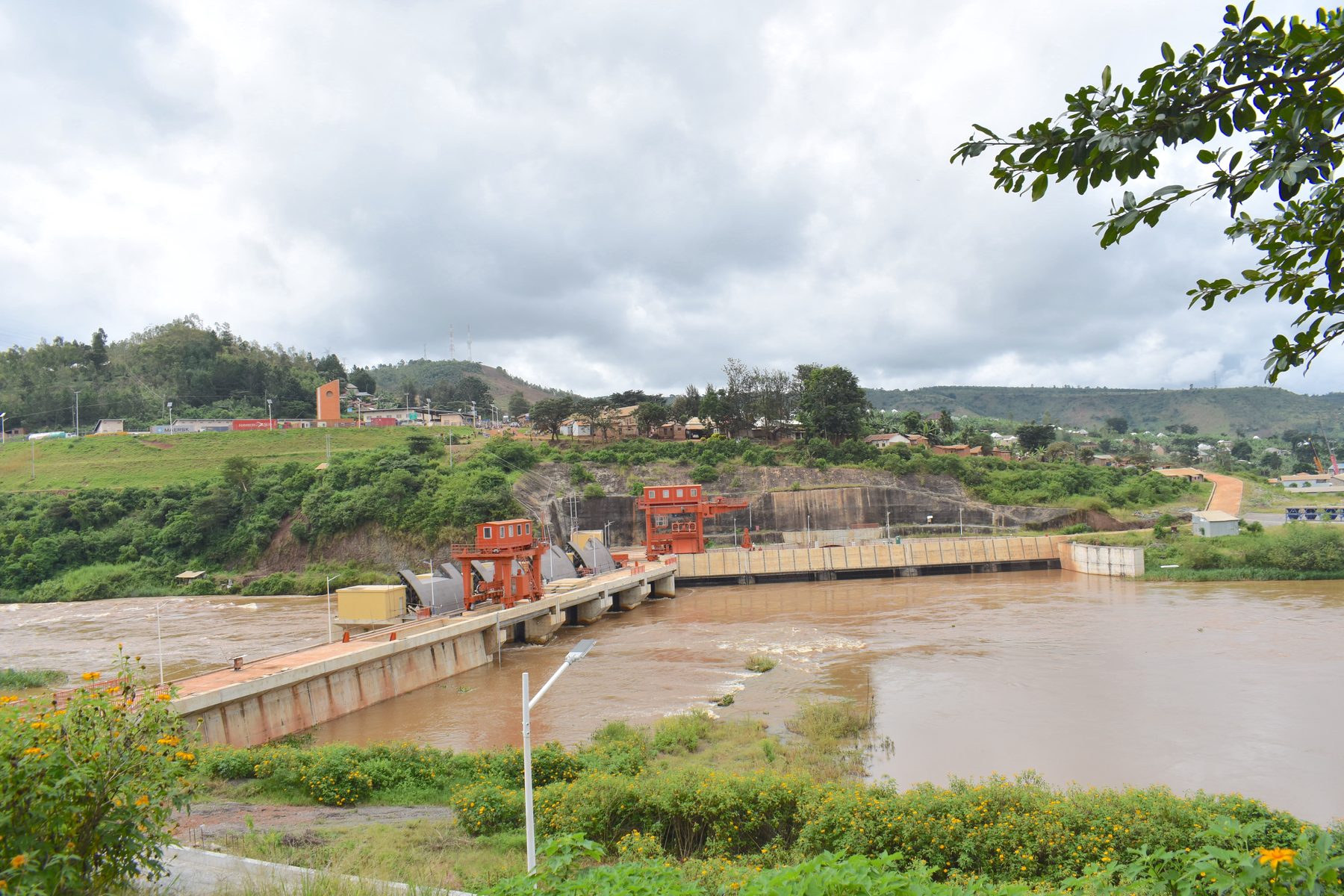
Hydropower production projects in the NRBIP
Development or rehabilitation of hydropower facilities to increase renewable electricity generation and improve system reliability.
Improved generation reliability and regional supply
Project category
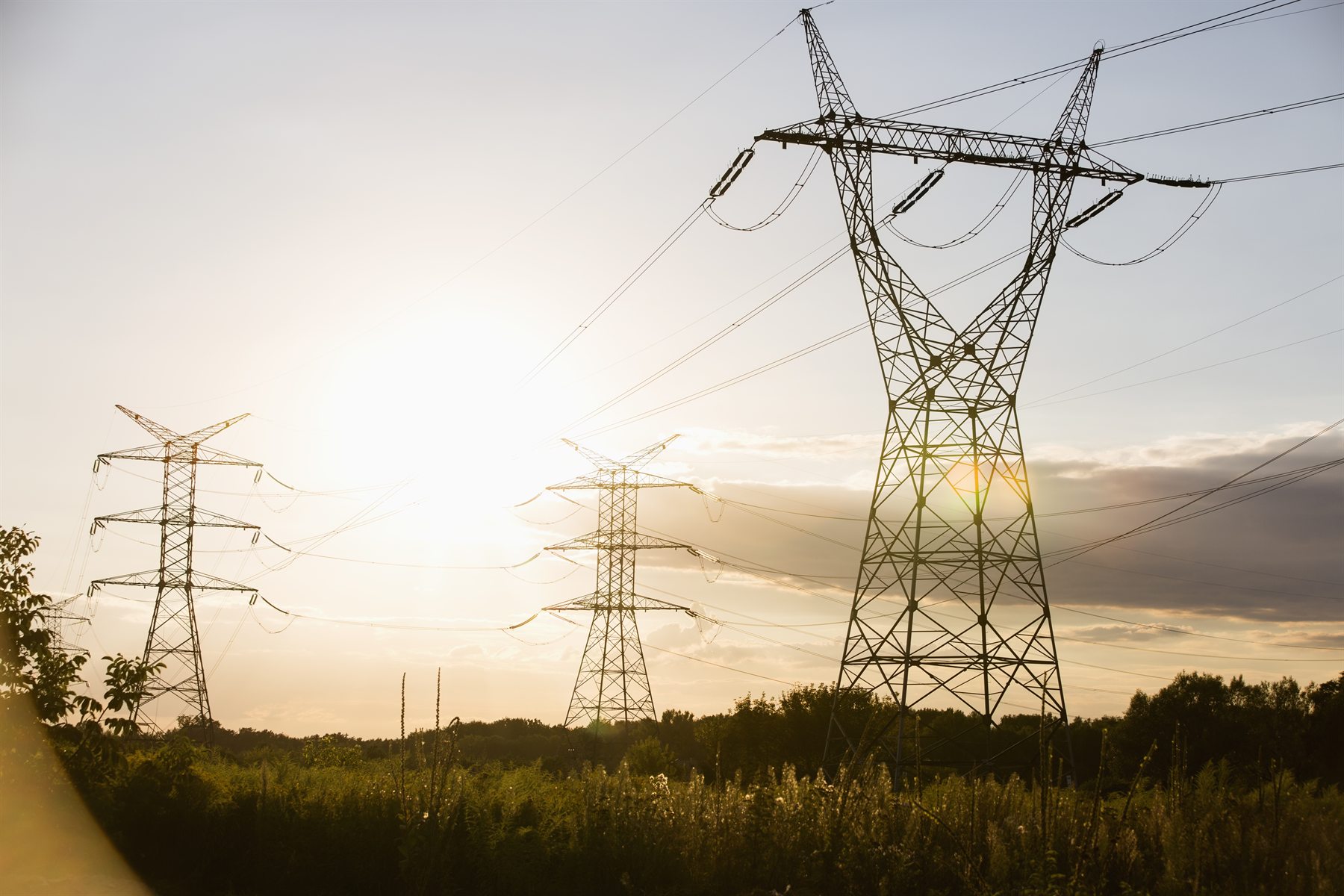
Regional Power Interconnection and Power Transmission projects in the NRBIP
Cross-border transmission lines, substations, grid reinforcement and related systems that connect national power networks, enable regional electricity trade and improve the security and efficiency of power supply.
Regional electricity trade and more secure power supply
Project category
Multipurpose Water Resources Management and Development projects in the NRBIP
Dams, reservoirs and other integrated water-management systems designed to serve several functions, such as water supply, irrigation, hydropower, livestock, fisheries, flood regulation, drought management, navigation and ecosystem support.
Shared benefits across water, food, energy and ecosystems
Project category
Water Supply and Sanitation projects in the NRBIP
Urban and rural water-supply systems, sanitation services, wastewater and faecal-sludge treatment, stormwater management, pollution control and safe water-reuse measures that improve public health and protect shared water bodies.
Better public health and protection of shared waters
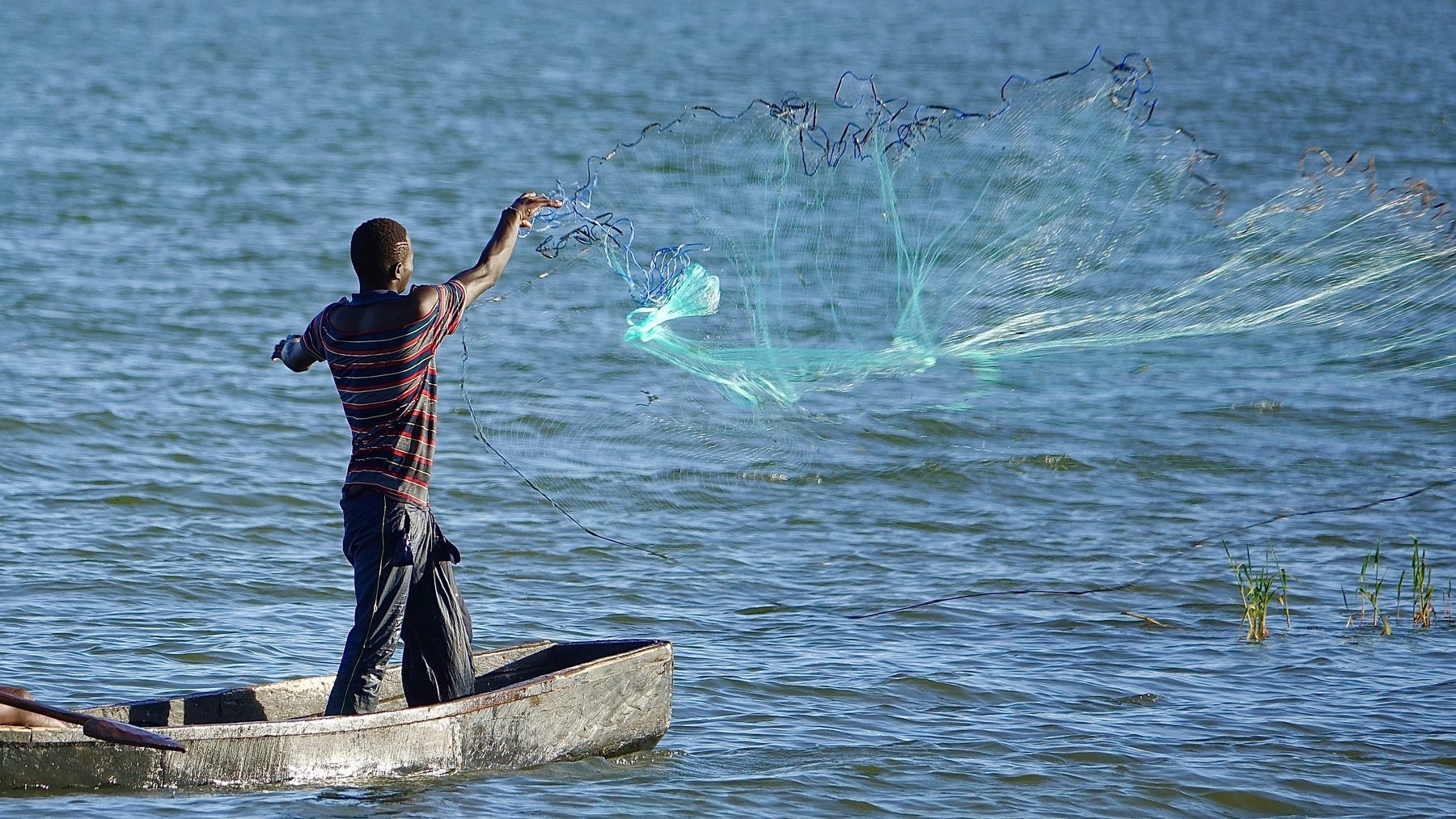
Project category
Transboundary Lakes Environment and Fisheries Resources Management projects in the NRBIP
Cooperative management of shared lakes and their catchments, including water-quality protection, fisheries and aquaculture, shoreline and wetland management, livelihood support and joint monitoring of ecological conditions.
Shared lake health, livelihoods and food security
Project category
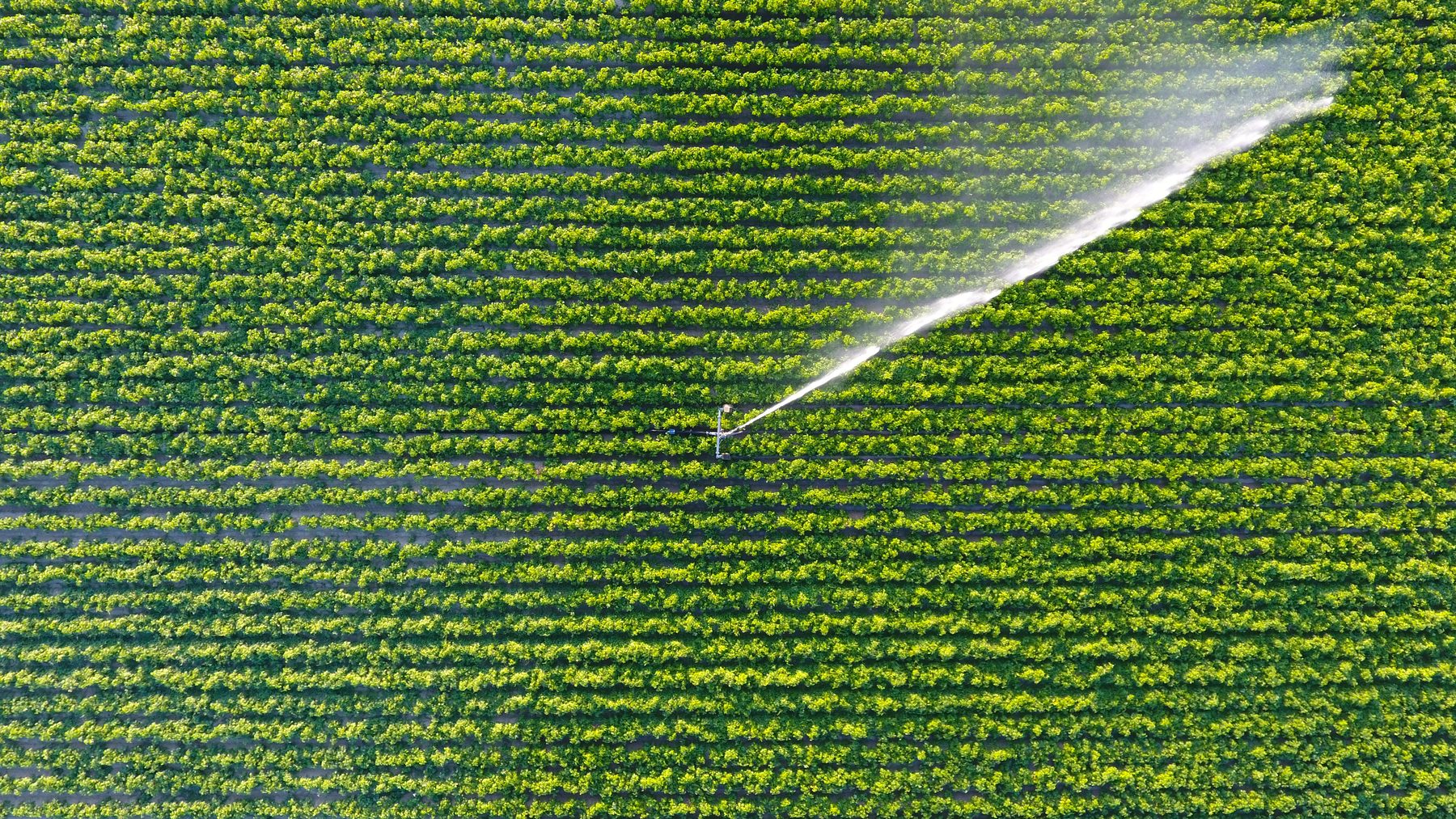
Agricultural irrigation and drainage projects in the NRBIP
New or modernised irrigation and drainage schemes, efficient water-delivery technologies, agricultural water-management measures and supporting infrastructure that increase productivity, resilience and food security.
Greater productivity, resilience and food security
Project category
Ecosystem Protection and Conservation projects in the NRBIP
Protection and restoration of wetlands, riparian areas, biodiversity hotspots, ecological corridors and other high-value terrestrial and aquatic ecosystems that sustain basin functions and community livelihoods.
Protected ecosystem functions and community livelihoods
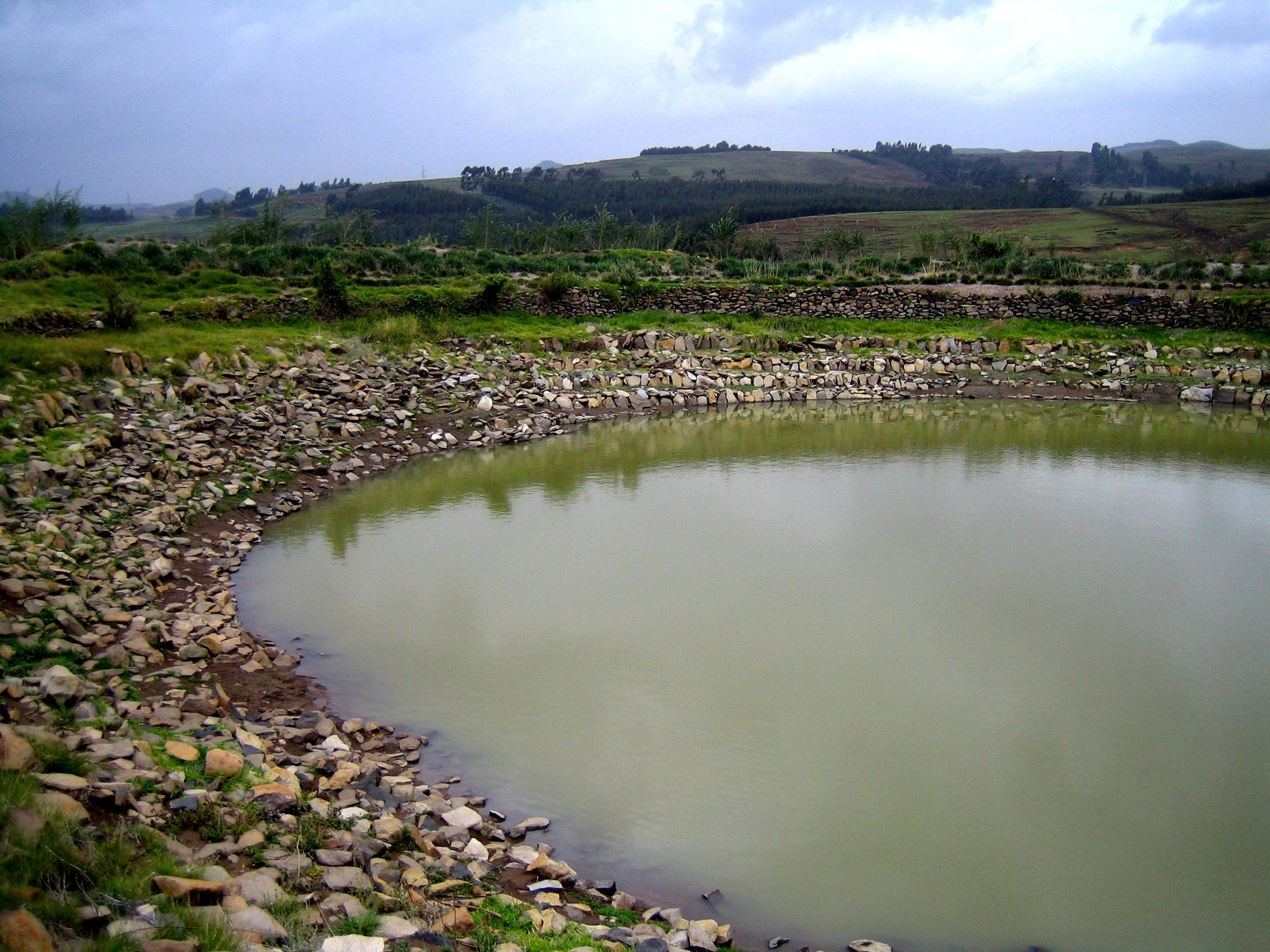
Project category
Watershed Management projects in the NRBIP
Catchment-scale measures such as erosion control, reforestation, agroforestry, soil and water conservation, slope stabilisation and sustainable land management that reduce sedimentation, improve water regulation and restore degraded landscapes.
Reduced sedimentation and improved water regulation
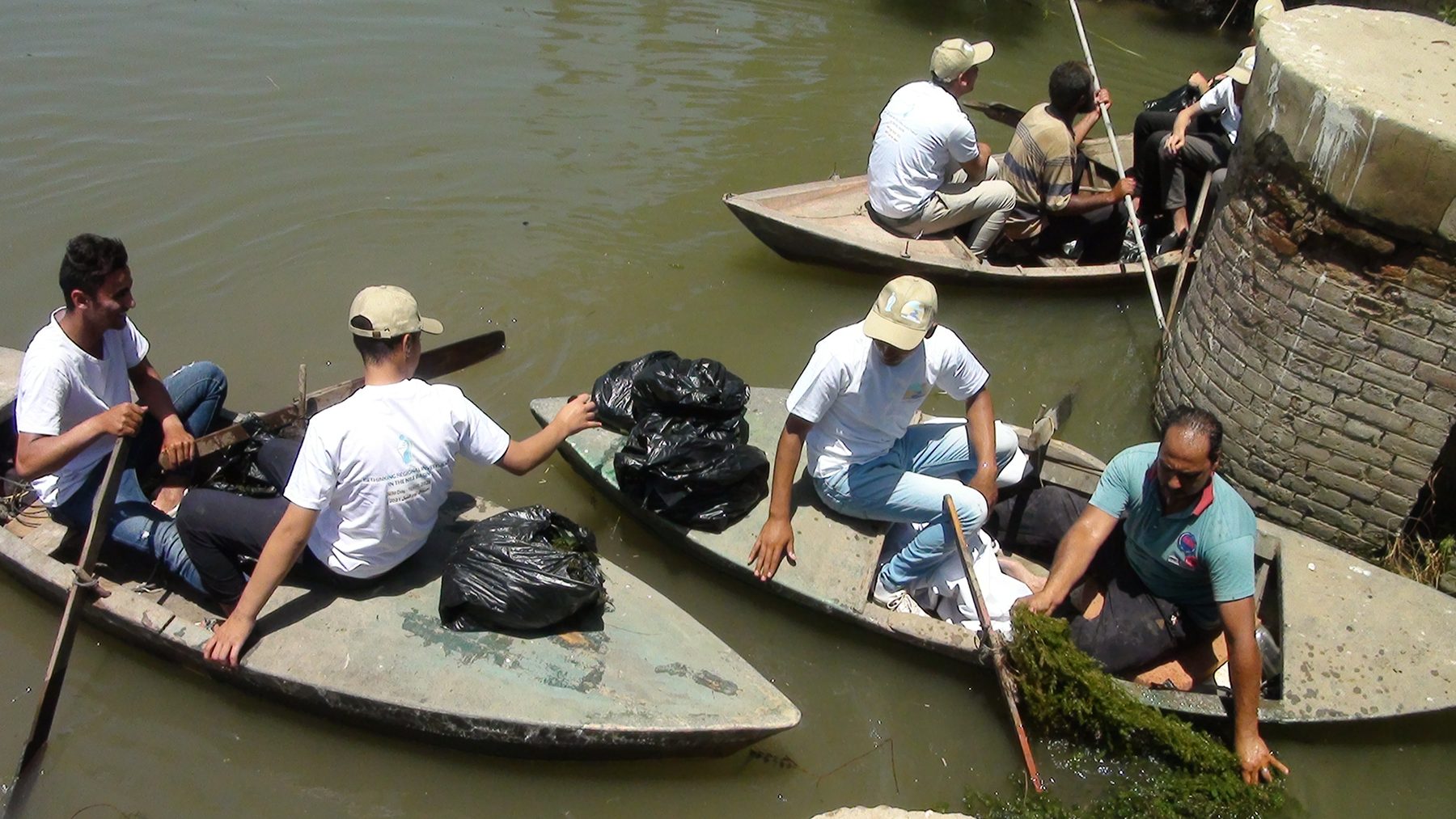
Project category
Navigation, inland water transport and trade projects in the NRBIP
Waterway improvements, ports, landing sites, navigation-safety systems, cargo-handling facilities and intermodal connections that facilitate movement of people and goods and strengthen regional trade.
Stronger regional trade and movement of people and goods
Project category
Aquifer Management projects in the NRBIP
Assessment, monitoring, protection and sustainable use of shared groundwater systems, including transboundary aquifer mapping, recharge management, data sharing and coordinated planning for groundwater-dependent communities and economies.
More secure groundwater resources for dependent communities and economies
Partners
Partners
AUDA-NEPAD
The African Union Development Agency-NEPAD (AUDA-NEPAD) is the African Union's development agency. Its mandate is to coordinate and execute priority regional and continental projects that advance integration and Agenda 2063; strengthen the capacities of Member States and regional bodies; provide knowledge-based advisory support; mobilise resources; and serve as a technical interface with development partners and stakeholders.

COMESA
The Common Market for Eastern and Southern Africa (COMESA) is a Regional Economic Community of 21 Member States established to promote regional integration through trade and the development of natural and human resources.
EAC / LVBC
The East African Community (EAC) provides the regional integration framework within which the Lake Victoria Basin Commission (LVBC) operates. LVBC is a specialised institution of the EAC, headquartered in Kisumu, Kenya.
EAPP
The Eastern Africa Power Pool (EAPP) is a regional institution established in 2005 to coordinate cross-border electricity trade and the interconnection of national power systems in Eastern Africa.
ENTRO
The Eastern Nile Technical Regional Office (ENTRO), based in Addis Ababa, is the NBI centre that provides technical and implementation support to the Eastern Nile Subsidiary Action Programme.
IGAD
The Intergovernmental Authority on Development (IGAD) is a Regional Economic Community serving the Horn of Africa and neighbouring countries.
NELSAP-CU
The Nile Equatorial Lakes Subsidiary Action Programme Coordination Unit (NELSAP-CU), headquartered in Kigali, Rwanda, is one of the NBI's two investment programmes.
NBI / Nile-SEC
Nile-SEC, headquartered in Entebbe, Uganda, is the executive and technical arm of NBI. It supports basin cooperation, strategic water-resources management, shared information and analytical services, planning, monitoring and early-warning systems. For the NRBIP, NBI/Nile-SEC provides basin-wide leadership and hosts the Coordination Office.
Member Countries


