Regional Inception Workshop Held on Flood Management Interventions Feasibility Study in the Yabus River and Associated Riverine.
The Inception Workshop for the Feasibility Study on Flood Management Interventions in the Yabus River and associated riverine system, involving Ethiopia, South Sudan, and Sudan, was convened as part of the Regional Climate Resilience Program for Eastern and Southern Africa (RCRP-ESA). The study is being implemented under the Eastern Nile Technical Regional Office (ENTRO) serving as the client.
The overall objective of the consultancy is to develop sustainable flood management and climate adaptation solutions for the Yabus River catchment and its associated riverine systems across the three countries.
Welcoming remarks were delivered by ENTRO Acting Executive Director, Eng. Teshome Atnafie, who emphasized that the feasibility study is a key regional intervention under the RCRP-ESA.
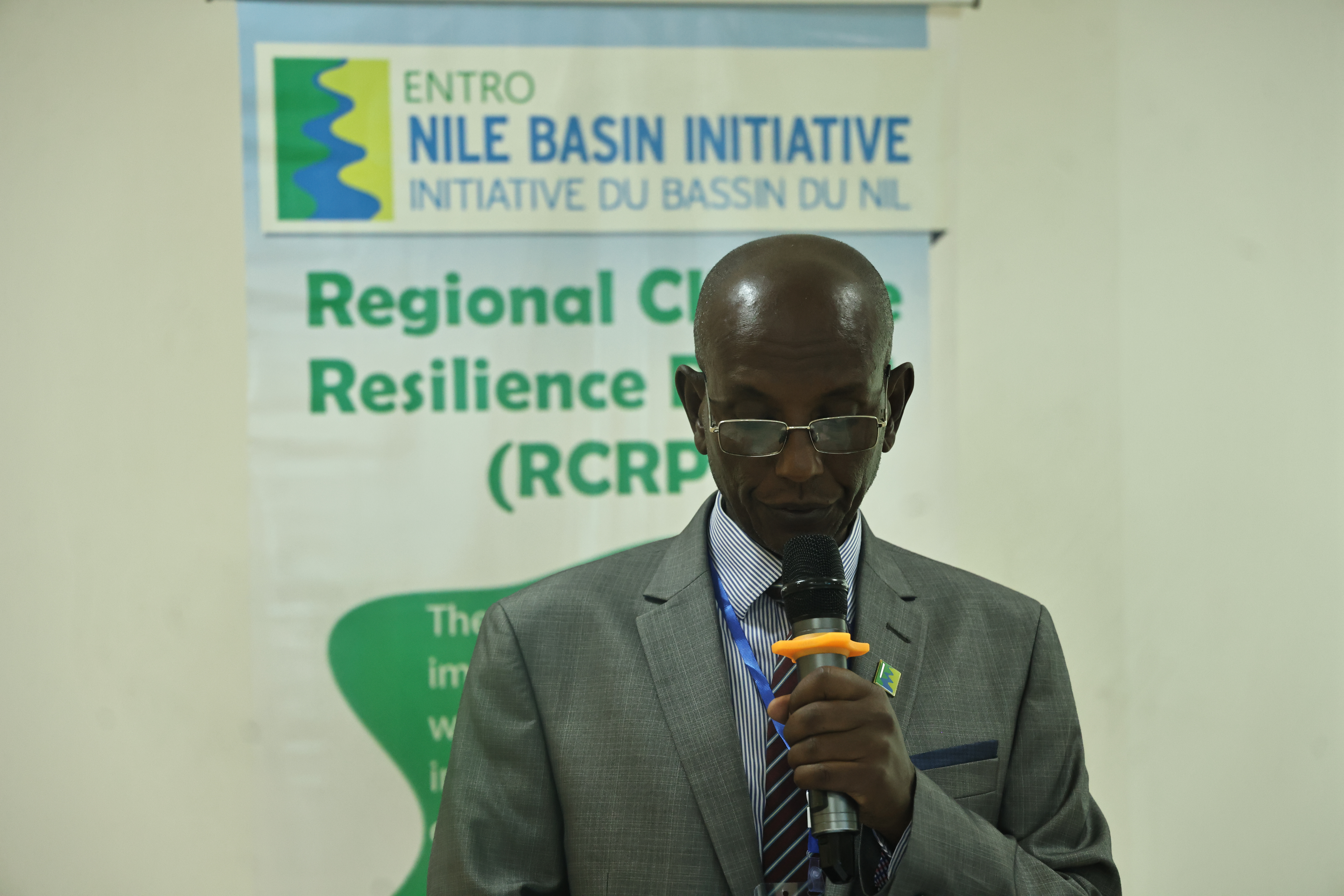
The Acting ED Said that “I am hoping that all participants of this workshop will critically review and forward valuable comments, suggestions and amendments to enrich this inception report. Once we agreed upon this inception report, including its approach and methodology and the work plan, it will serve as a guiding document for further implementation of this project activities.”
He continued underscoring the importance of the inception workshop in refining the study’s approach, methodology, and work plan, noting that the agreed inception report would serve as a guiding document for the successful implementation of the project; and further encouraged the participants to provide constructive comments, suggestions, and amendments to strengthen the next steps.
The Chair of the Ethiopia Nile Basin Discourse Forum (ETHNBDF), Ms. Aynalem Ashebir, highlighted the Forum’s commitment to promoting civil society and basin community participation in the development and sustainable utilization of Nile water resources in Ethiopia.
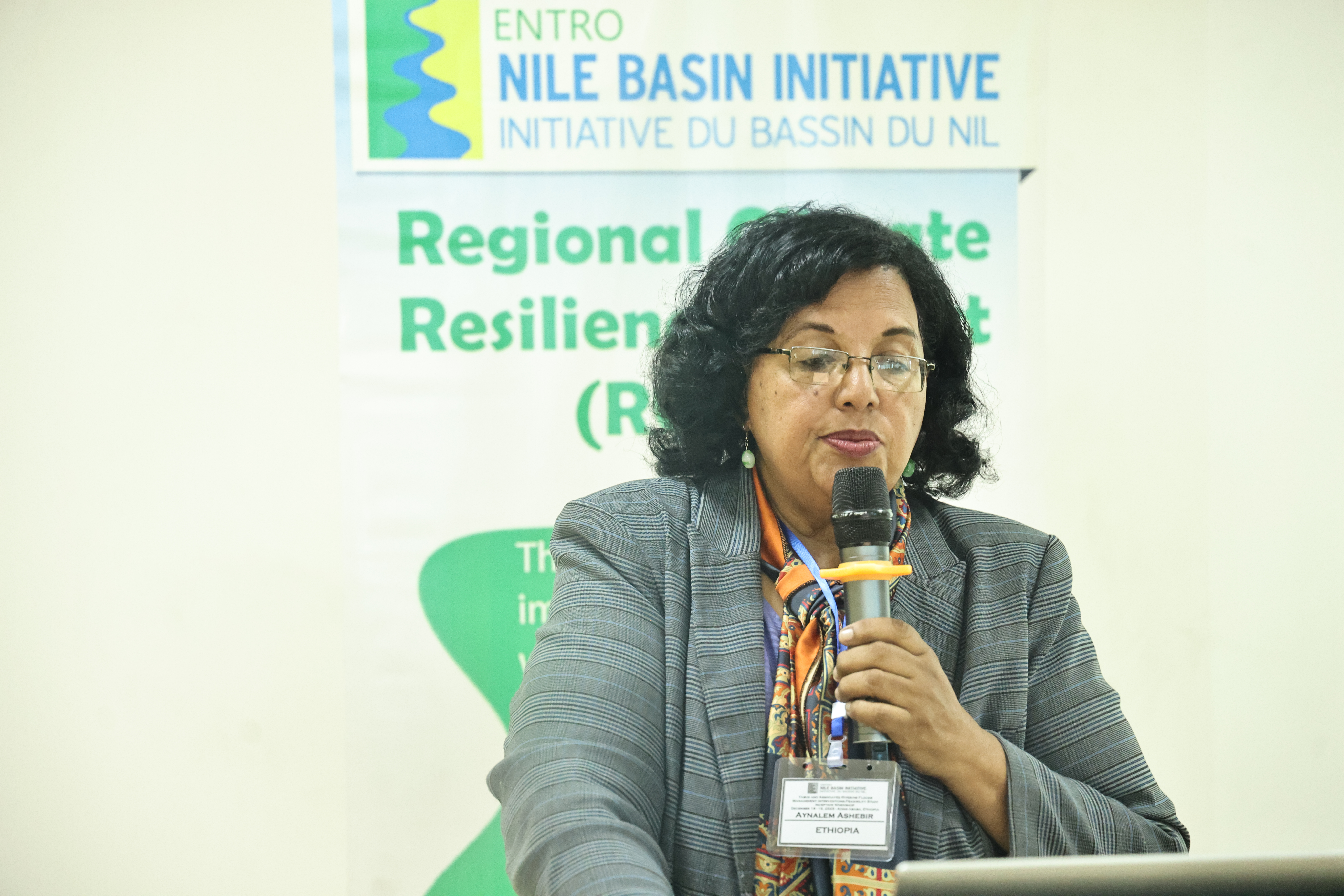
She said that “ETHNDF believes that the effective participation and contribution of the civil society and the grassroots communities in the policy making and development process in this huge water resource is very critical.”
Ms. Aynalem also informed participants about the establishment of the Ethiopia Nile Discourse Women Network, which aims to mobilize grassroots women members, raise awareness, and enhance women’s participation in flood and drought-related thematic areas.
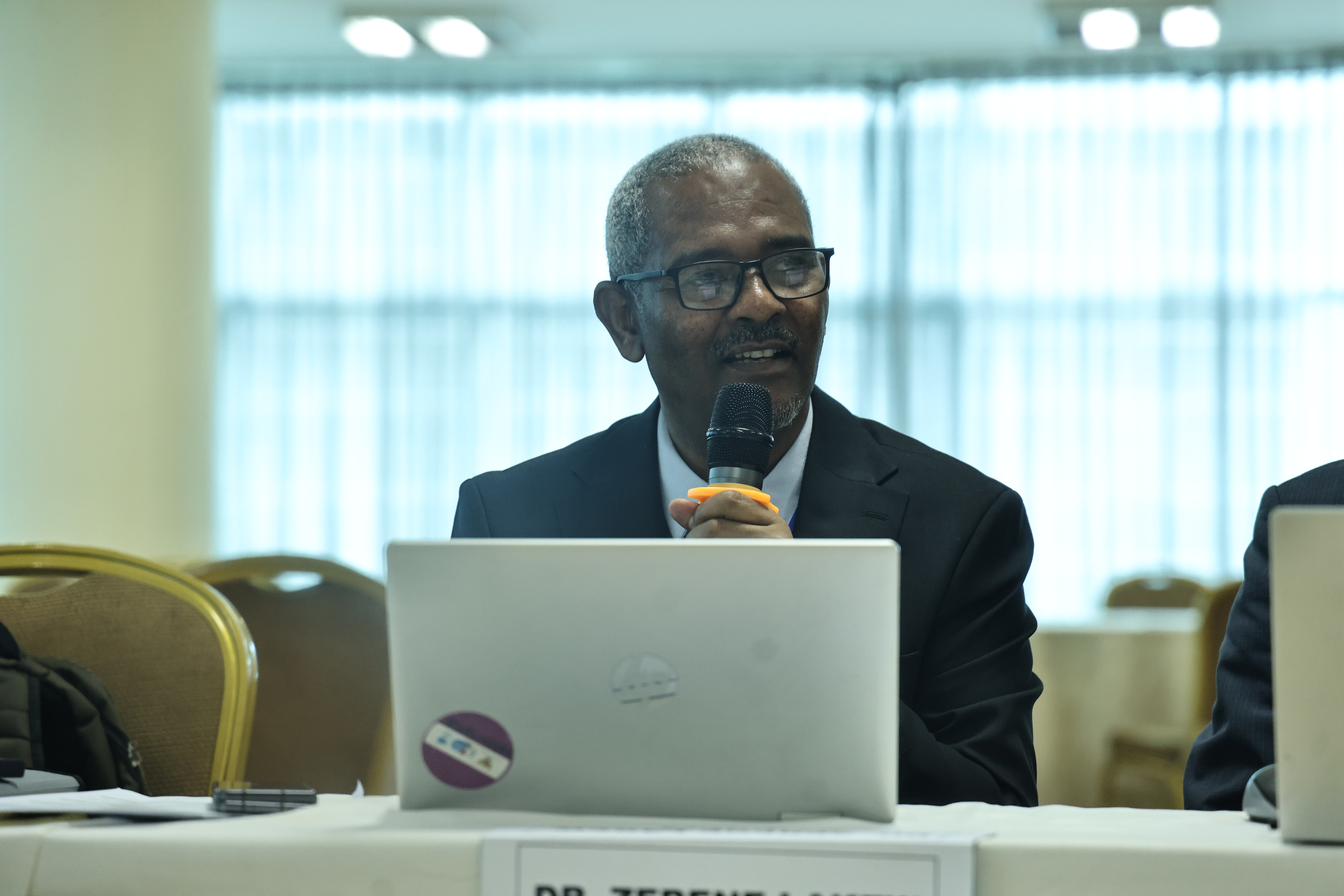
The workshop was officially opened by the Ethiopia ENSAPT Leader and Chair, Dr. Zebene Lakew, who welcomed participants to Addis Ababa and encouraged their active participation throughout the two-day workshop. He called on participants to share insights and engage in interactive discussions to support the consultant in effectively and efficiently delivering the assignment.
ENSAPT Chair further appealed to the Participants that “your presence here signifies a commitment to a shared vision. A vision that seeks to foster collaboration, enhance understanding, and promote sustainable practices in the management of transboundary weather, especially in the eastern Nile.”
Finally, in his Opening remarks, Dr. Zebene expressed his appreciation to the World Bank, ENTRO, project coordinators, consultants, participants, and organizing staff for their collective efforts. He expressed confidence that the workshop would achieve its intended objectives and officially declared the inception workshop open.
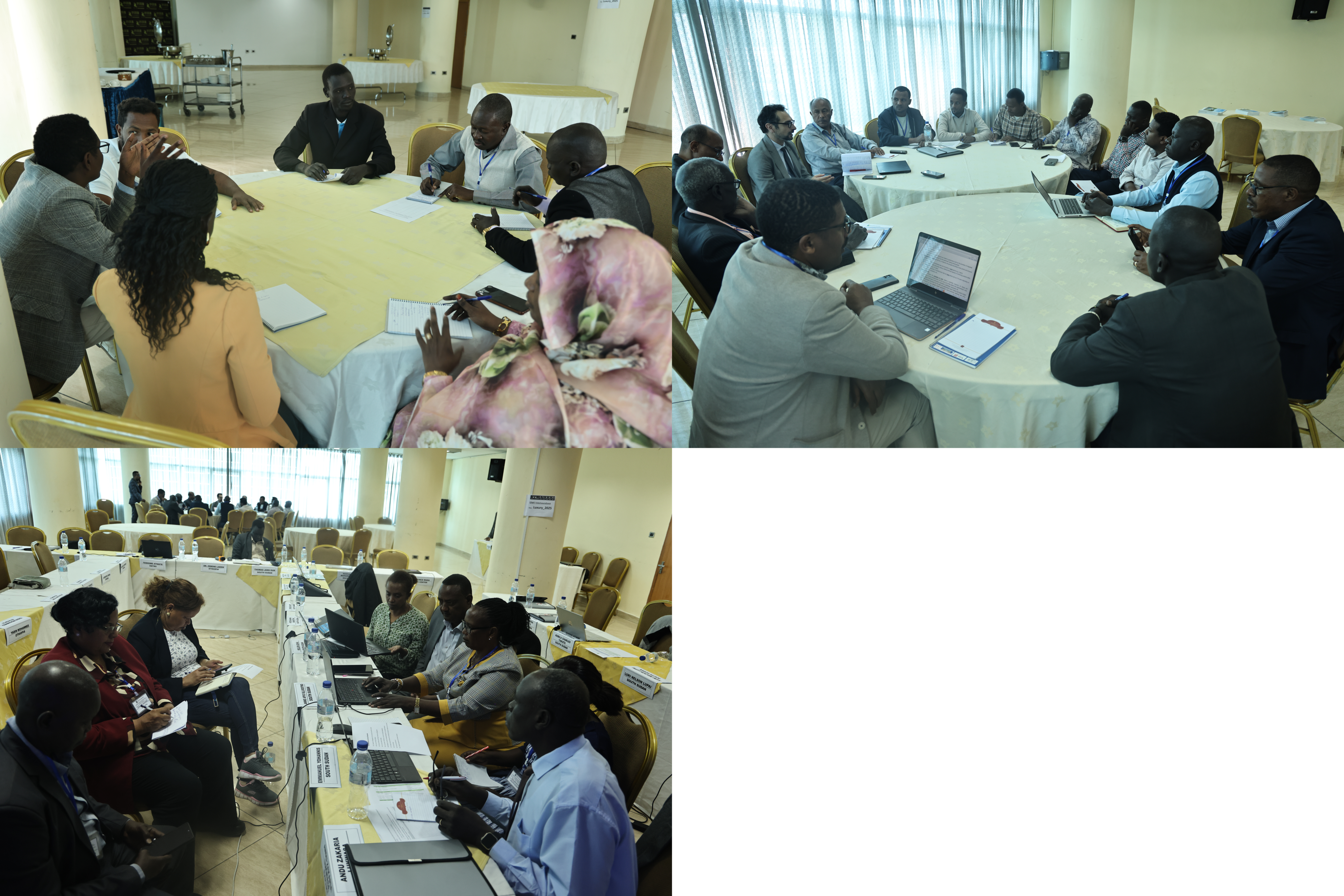
The workshop proceeded with technical presentations, bilateral and follow-up meetings, focus group discussions, and the formulation of conclusions and recommendations.
At the closure of the workshop, the Chair of the Day, Eng. Thomas Janka, South Sudan ENSAPT Leader, thanked all participants for their valuable contributions to the inception report and the study framework. He further emphasized the critical importance of data sharing in ensuring the success of transboundary projects, highlighting collaboration as a key pillar for effective regional outcomes. 
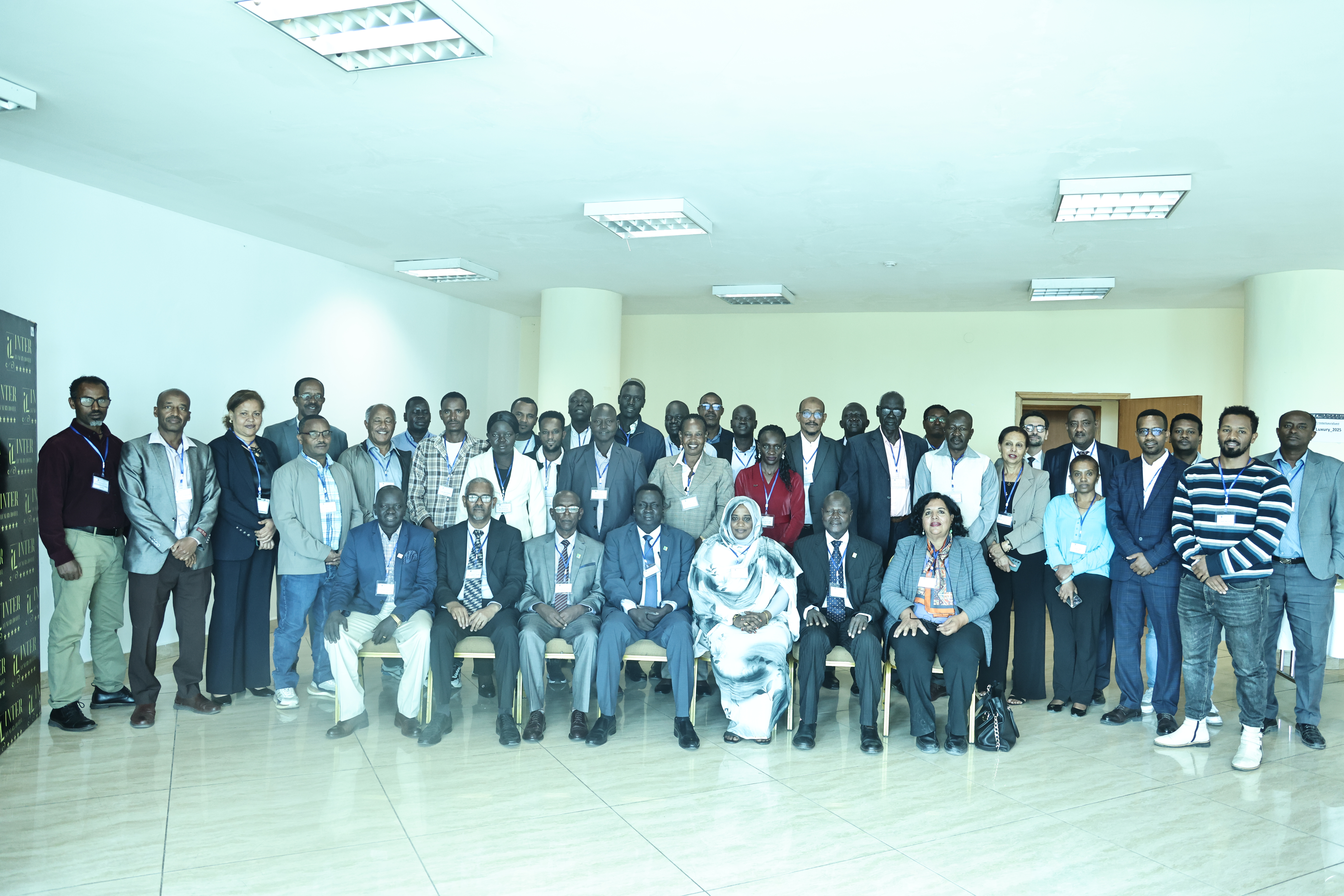
Participants included representatives from the Eastern Nile Subsidiary Action Program (ENSAP) member countries of Ethiopia and South Sudan; the Nile Basin Initiative (NBI) Centers of ENTRO, Nile-SEC, and NELSAP-CU; invited individua experts; Nile Basin Discourse (NBD); South Sudan National RCRP PIU; and the consulting team.